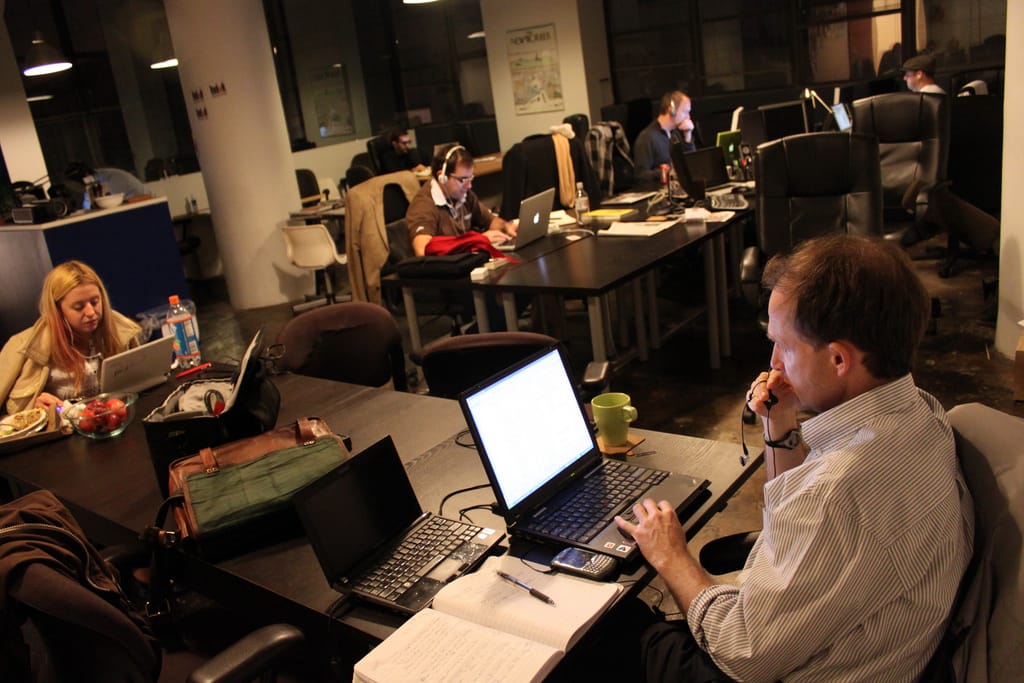
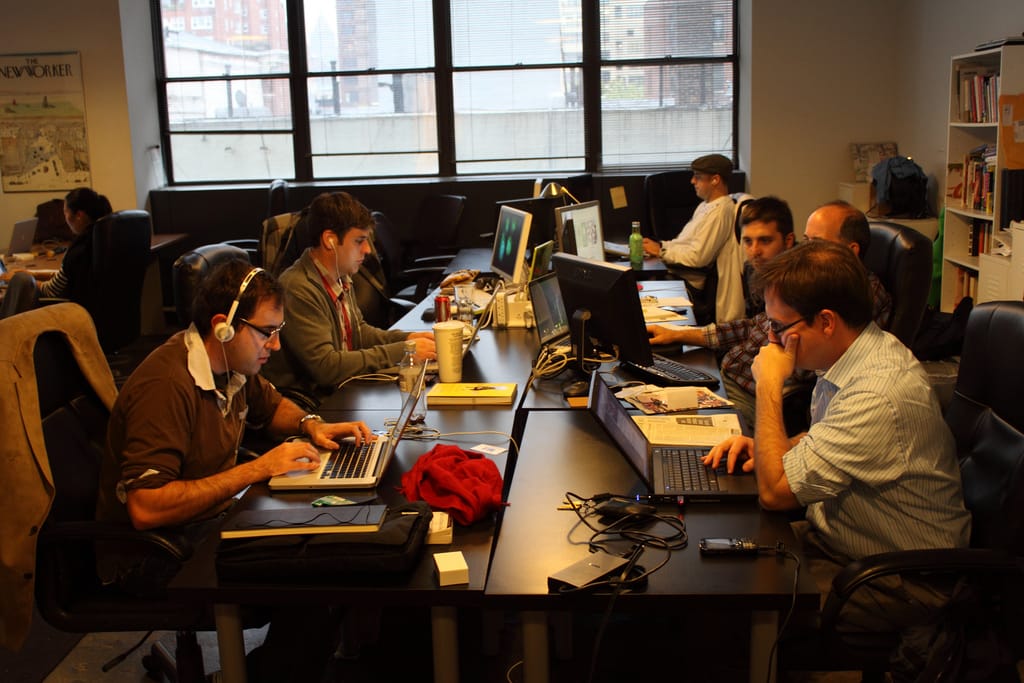
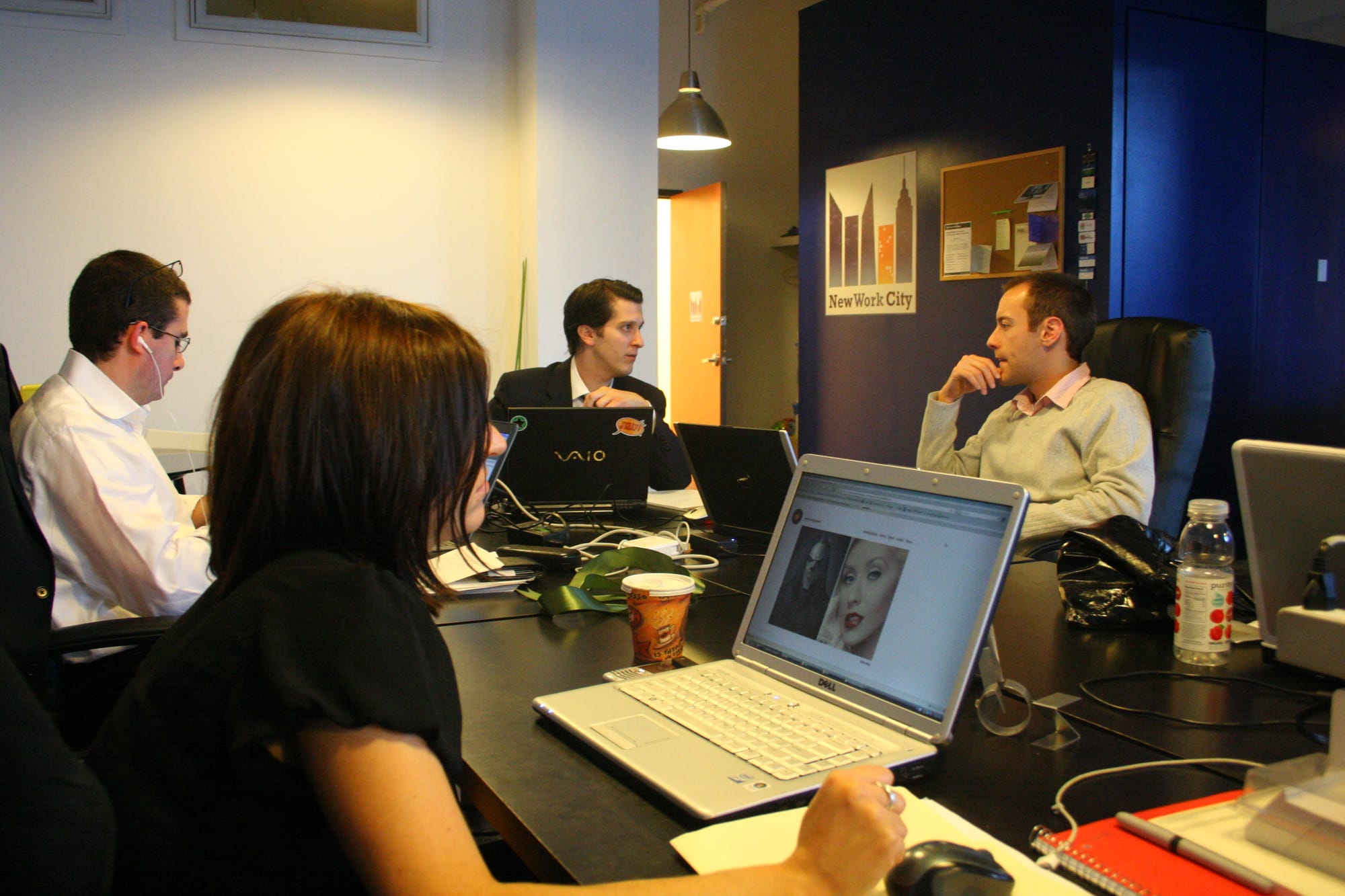
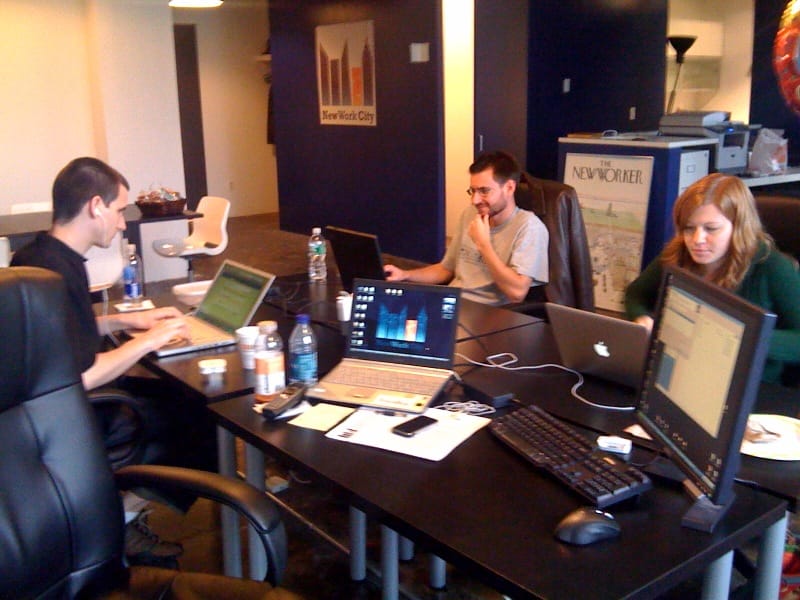
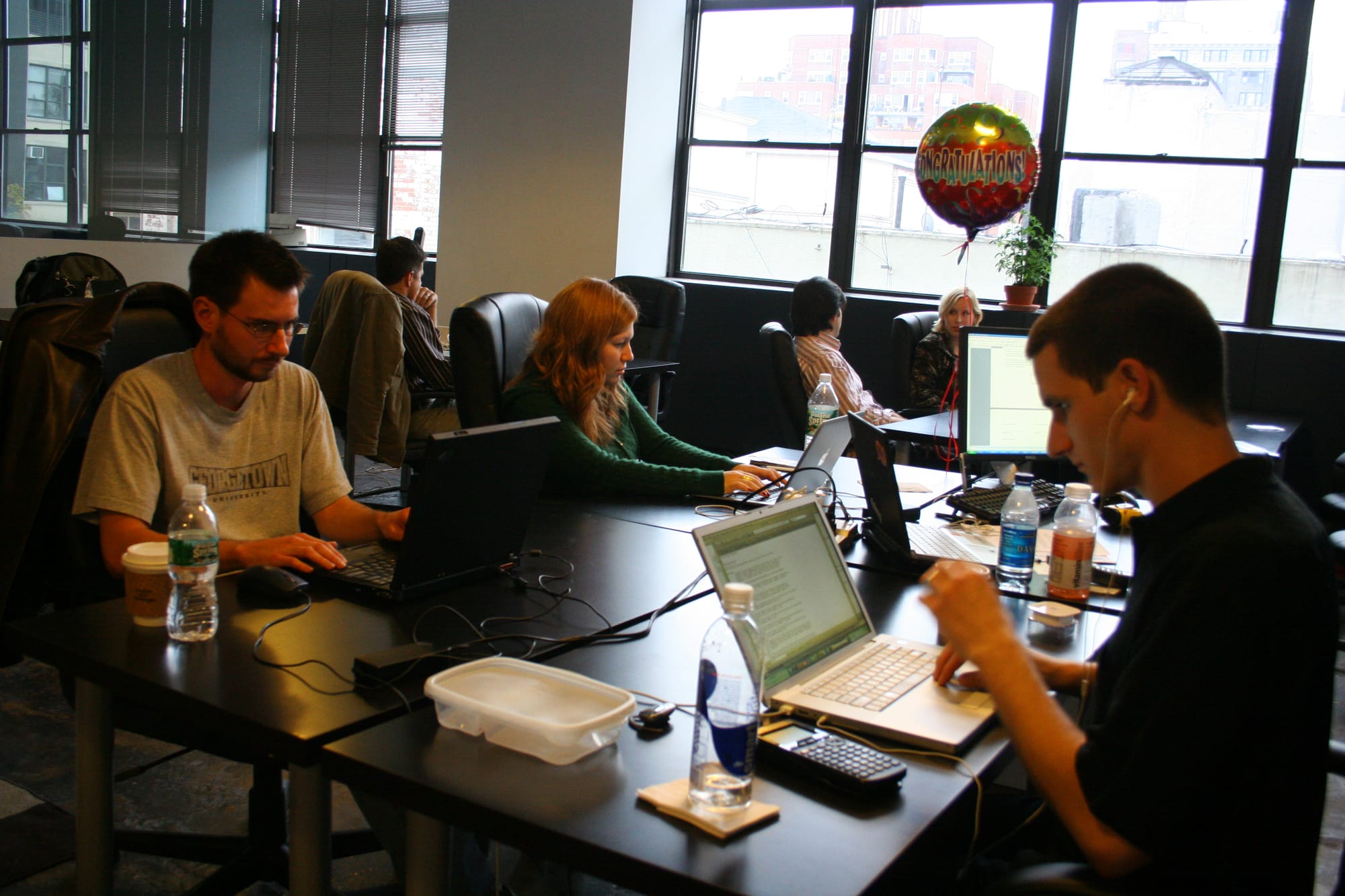
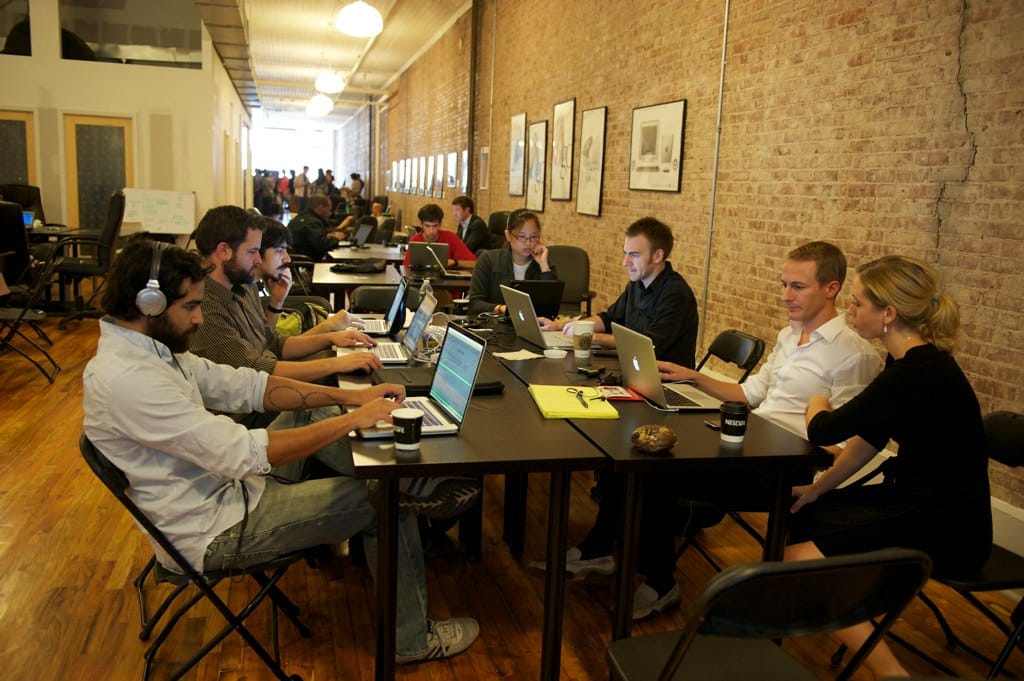
It was never about workspace. The fact was, we didn’t need it. With nearly everything we needed to do confined to the space of our laptops, we needed little more than power, wifi and a comfortable seat to have everything we needed to do our work.
The trouble wasn’t with the physical environment. The trouble was with the flesh-and-blood people around us, or, more importantly, the lack thereof.
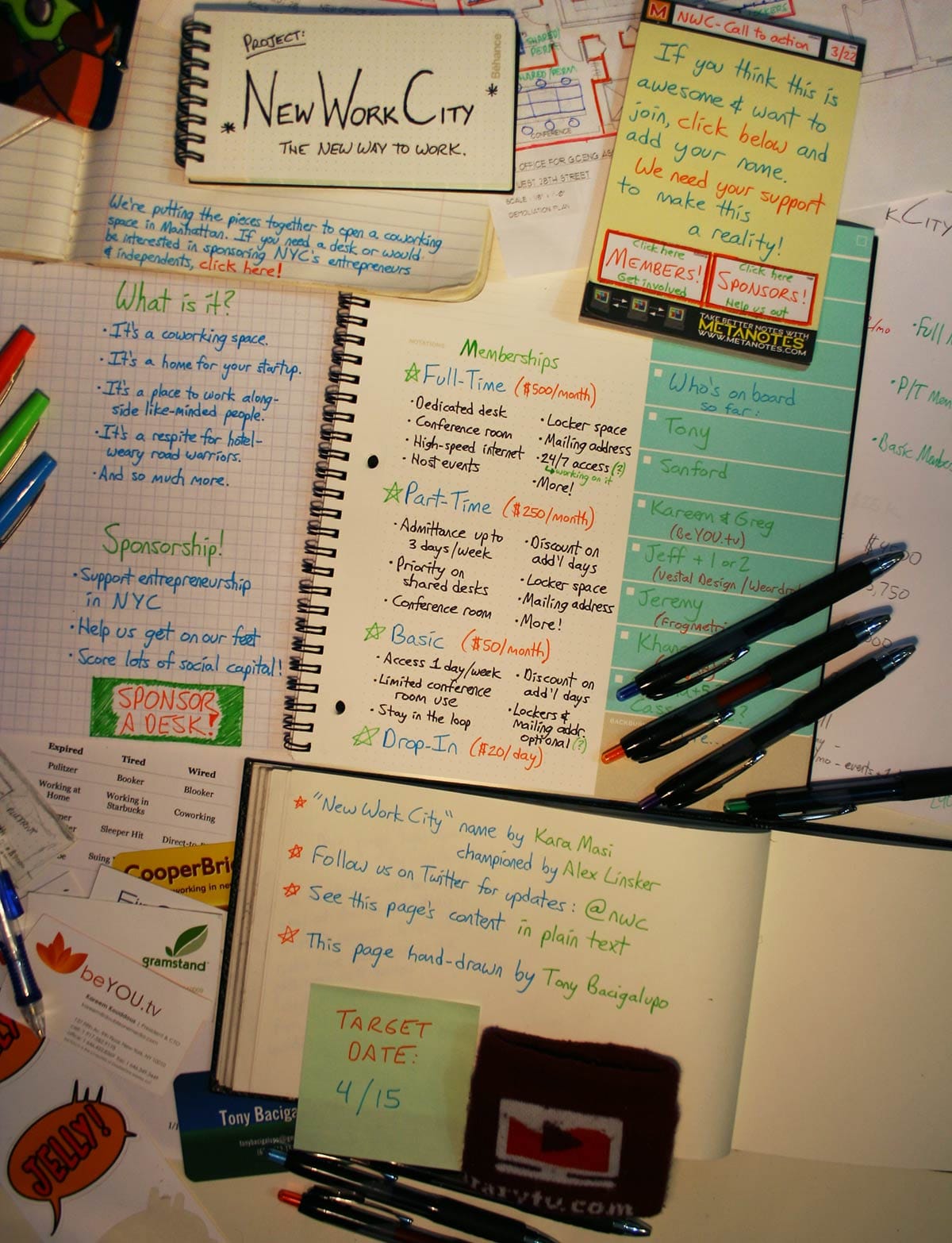
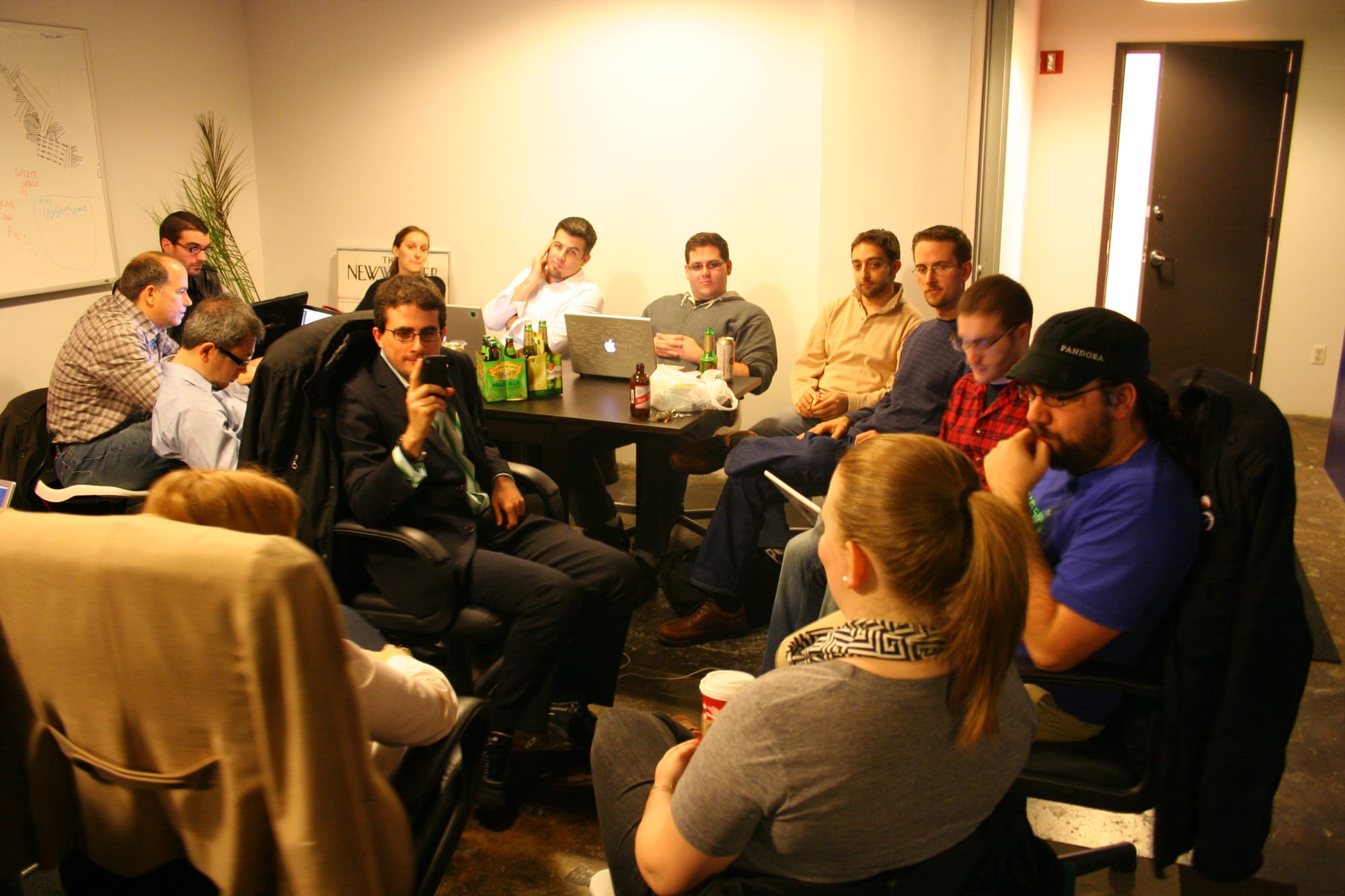
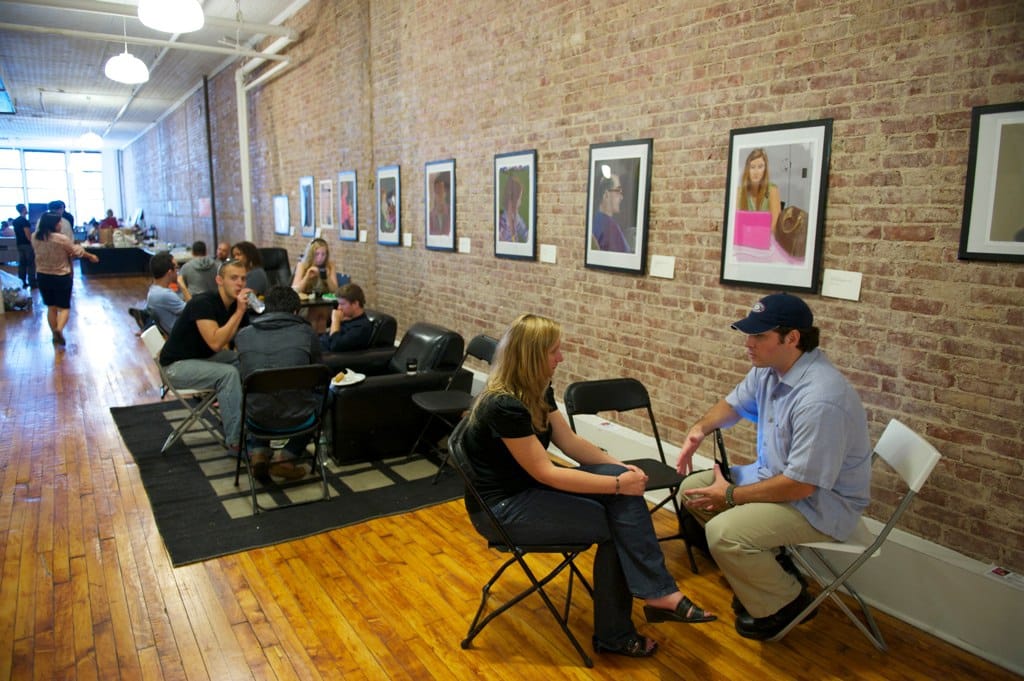
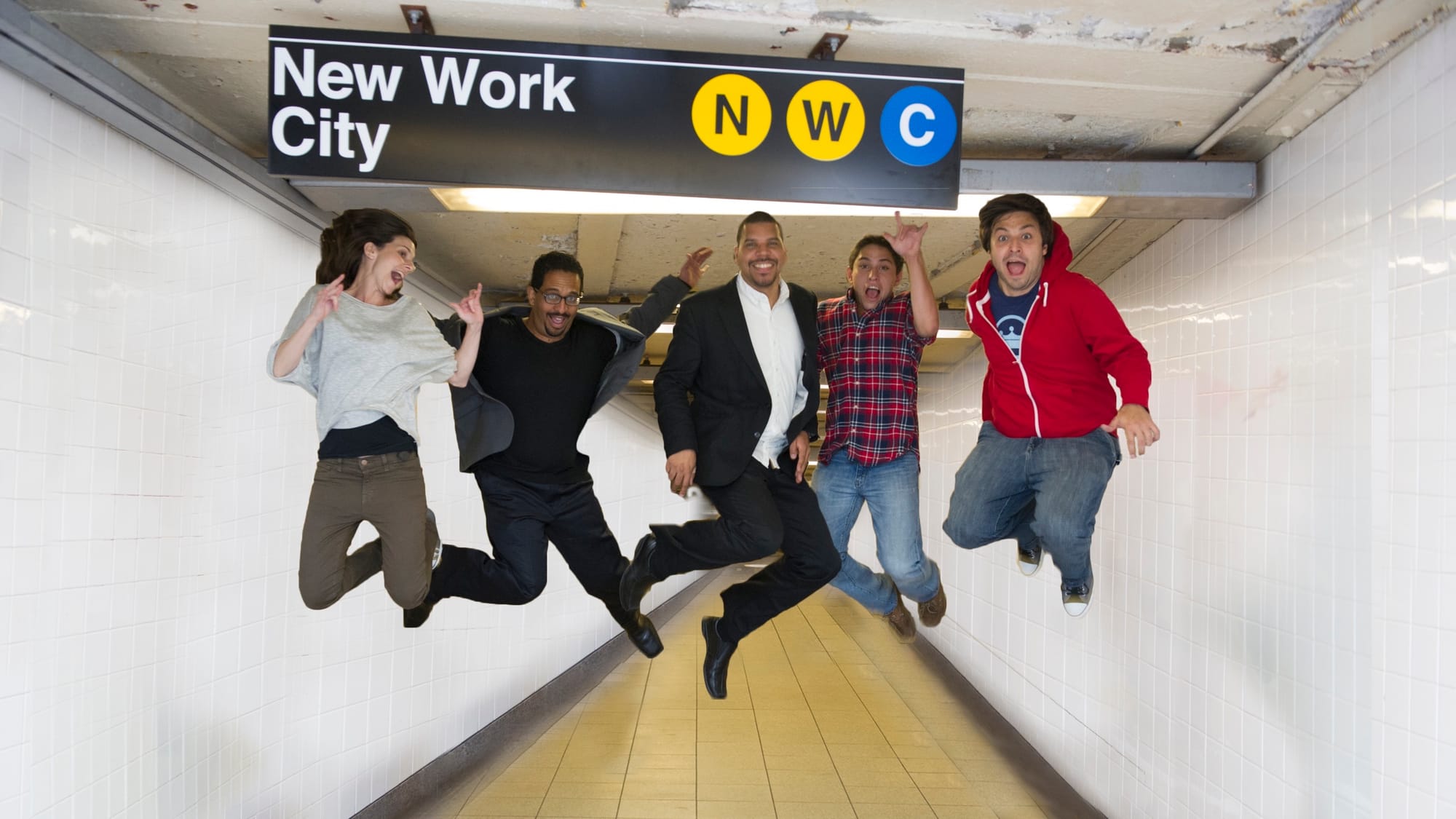
New Work City arose as an effort to build a gathering place for people who’d otherwise be stuck alone in their homes. It arose out of its more lightweight predecessors, a cafe-based group called CooperBricolage started by Sanford Dickert and a home-based group called Jelly started by Amit Gupta and Luke Crawford. By creating a dedicated, central, physical location, we made it possible for visitors and residents alike to know there was a place they could go to meet people and get connected.
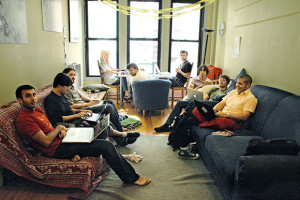
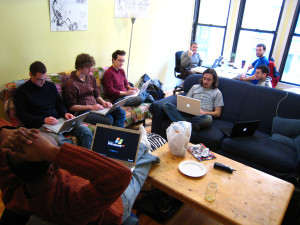
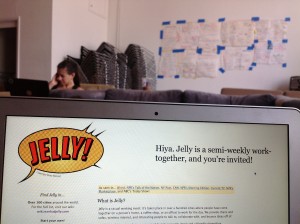
Back in 2008, coworking was still a pretty new and radical idea. Landlords were wary of the new utilization of their space, and consistent business models hadn’t yet been proven. Since then, the real estate industry has embraced the concept, and now shared workspaces of all sorts have emerged.
But when we got started, there were only the examples of a handful of communities in other cities that all seemed to be zeroing in on the same basic idea. Places like Citizen Space in San Francisco, Office Nomads in Seattle, and Indy Hall in Philadelphia all aimed to build spaces that were, first and foremost, gathering places for people who’d otherwise be alone. They optimized for culture-building and connection-making.
While we were doing well with what we had, we knew that there needed to be a hub, a home, a place that could act as a beacon. Sanford and I and our coworkers resolved to take the extra step and resolve to making something happen. The result was New Work City.
New Work City was launched as a community effort. It was built not to be an enterprise, but as a vehicle for the best interests of the people it sought to serve. It doesn’t have investors. It doesn’t have a mandate to grow. It doesn’t answer to anyone but its own people.
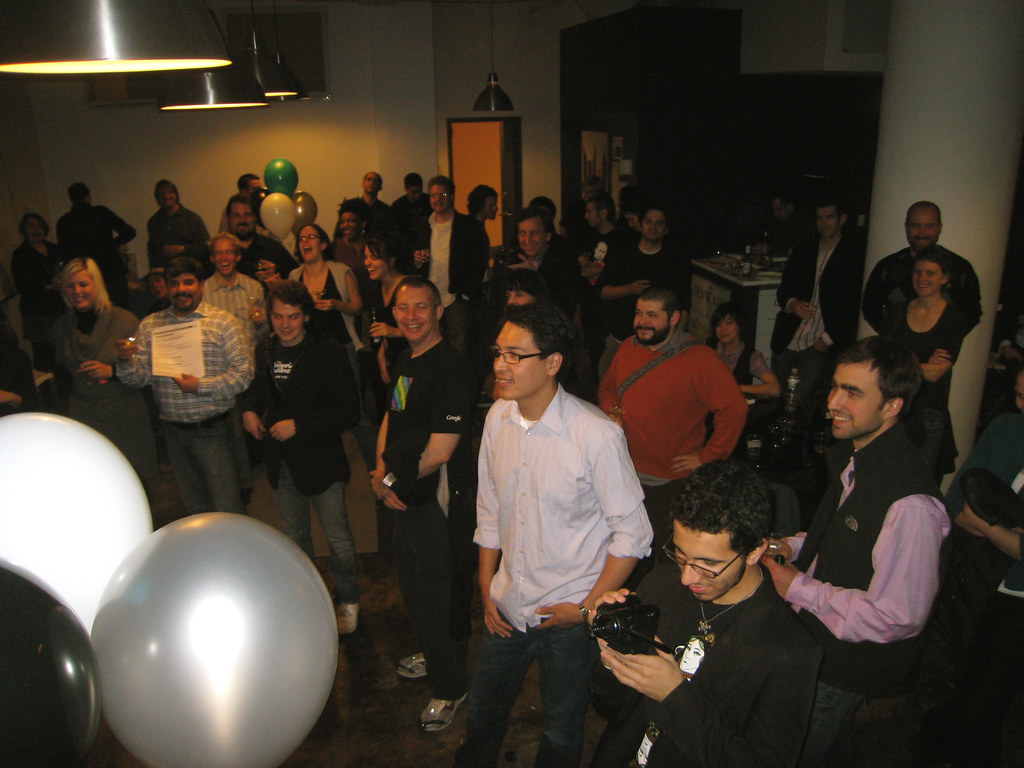
Since its launch, New Work City was a completely self-sustaining entity. Because it didn’t have to worry about maximizing profits or scaling quickly, it was able to focus on being the best possible vehicle for serving its people. We created a membership model that was as accessible as possible. We hosted and organized countless events, many of them free and nearly all of them affordable.
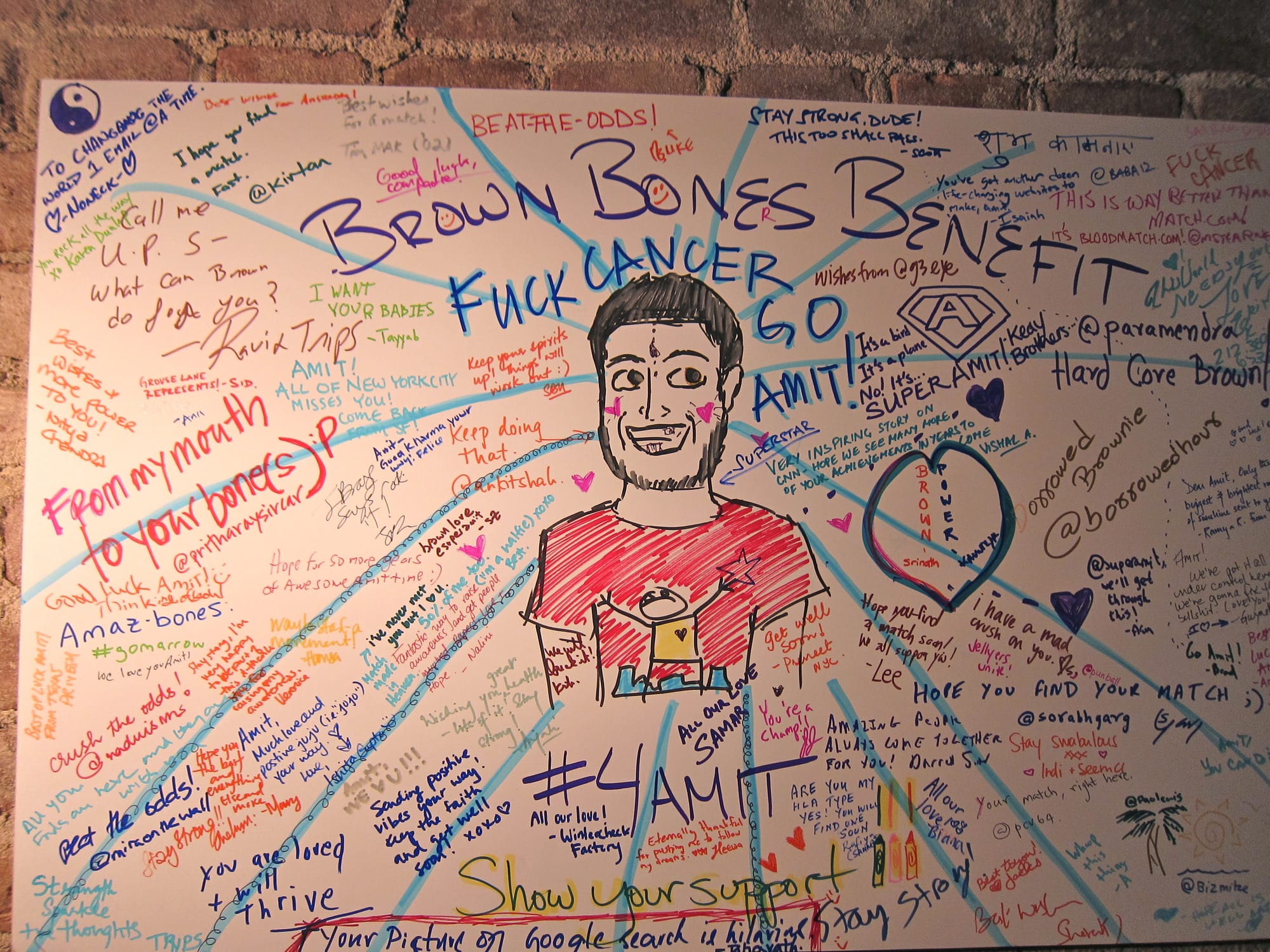
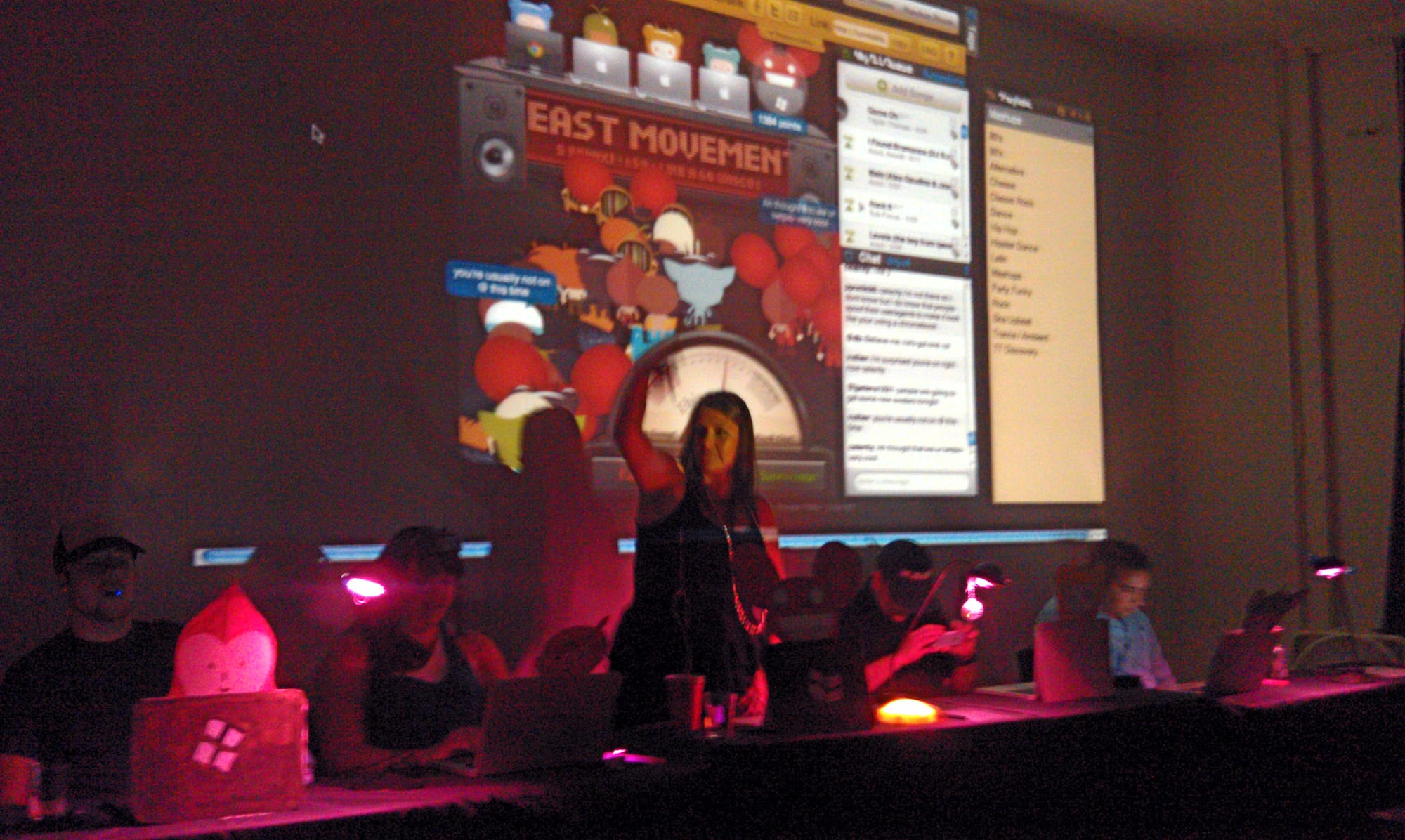
We helped house some of the earliest versions of some programs that have since grown far beyond our borders, in some cases incubating their very beginnings. We were home to the first events for Girl Develop It and Nightowls, for example, as well as an early home for the NYC chapters of Startup Weekend, BetaNYC, and Startup Bus. We’ve hosted events from the silly to the serious: from a sold-out Turntable.fm dance party and a fake startup launch party to an event to register people for the national bone marrow registry, an effort that helped our friend Amit find a donor to help him defeat Leukemia.
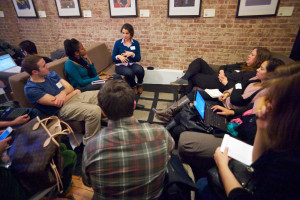
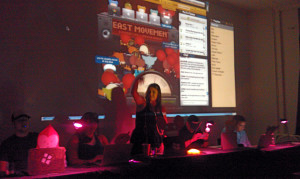
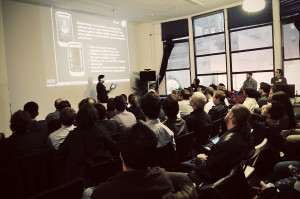
We’ve piloted new kinds of educational programming and structured gatherings to give coworkers a way to help each other fill a critical need for externalized structure and accountability. Some of the more successful programs are now in use at coworking spaces in other cities.
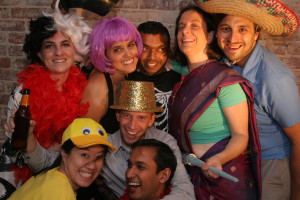
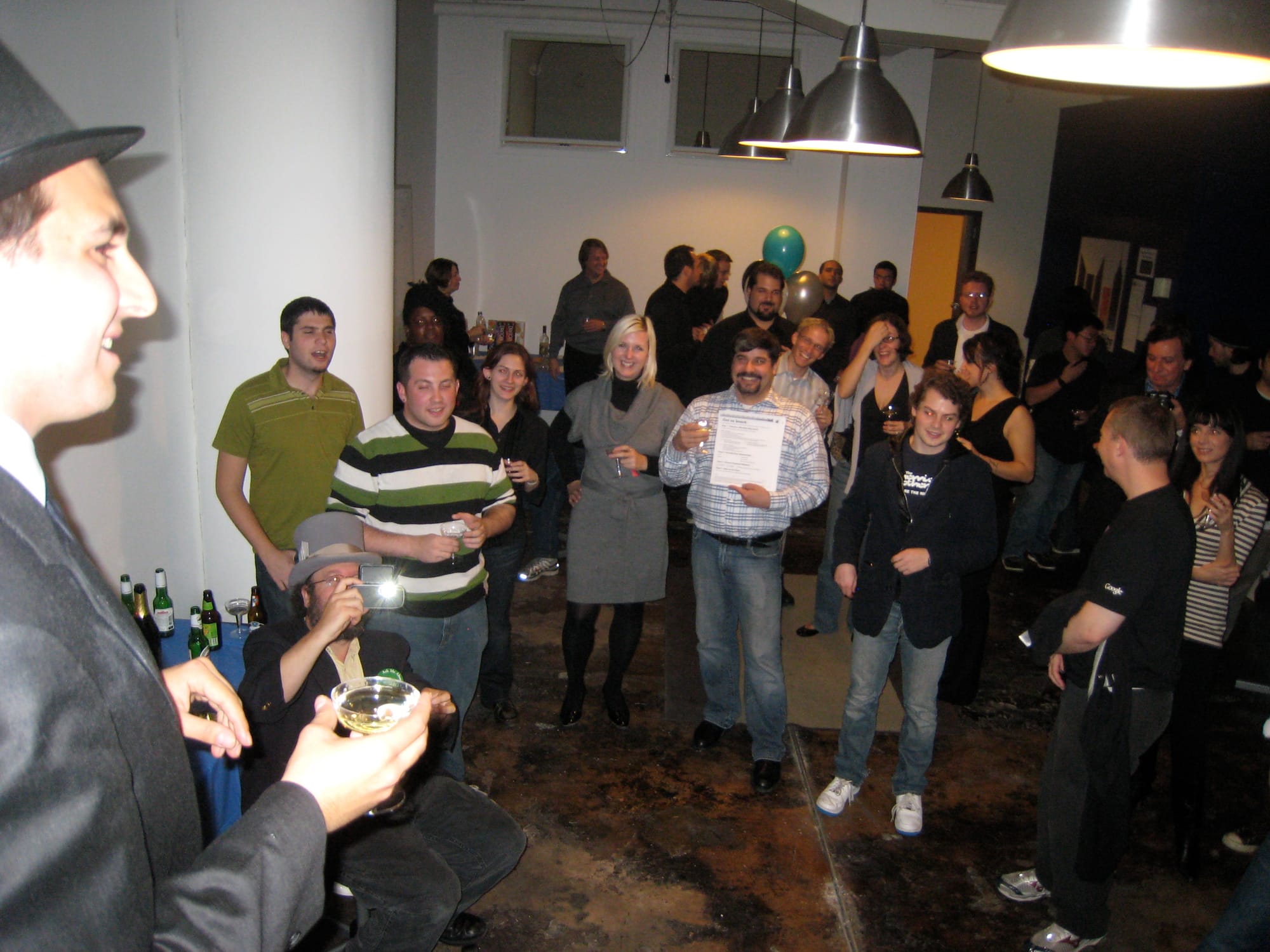
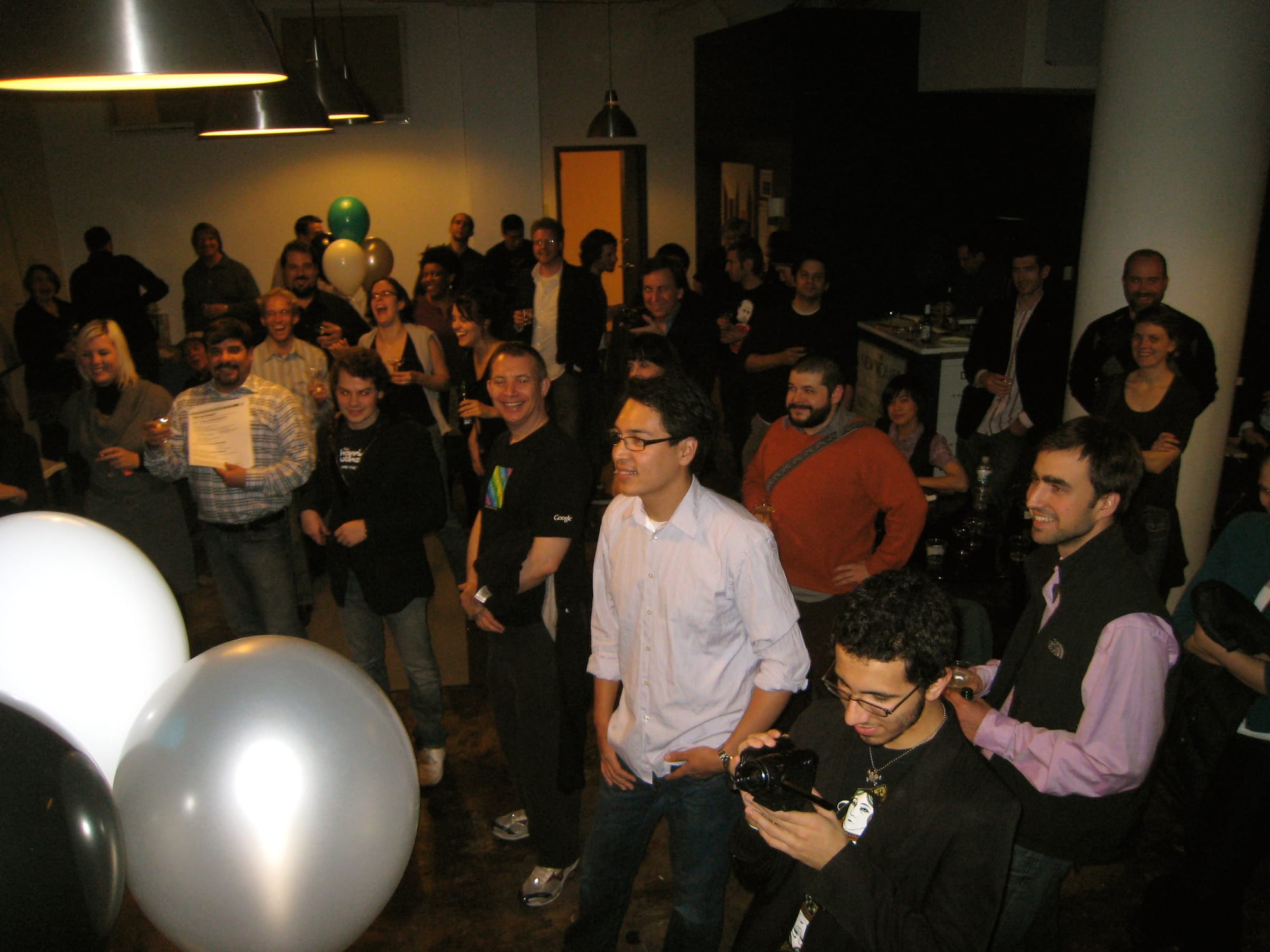
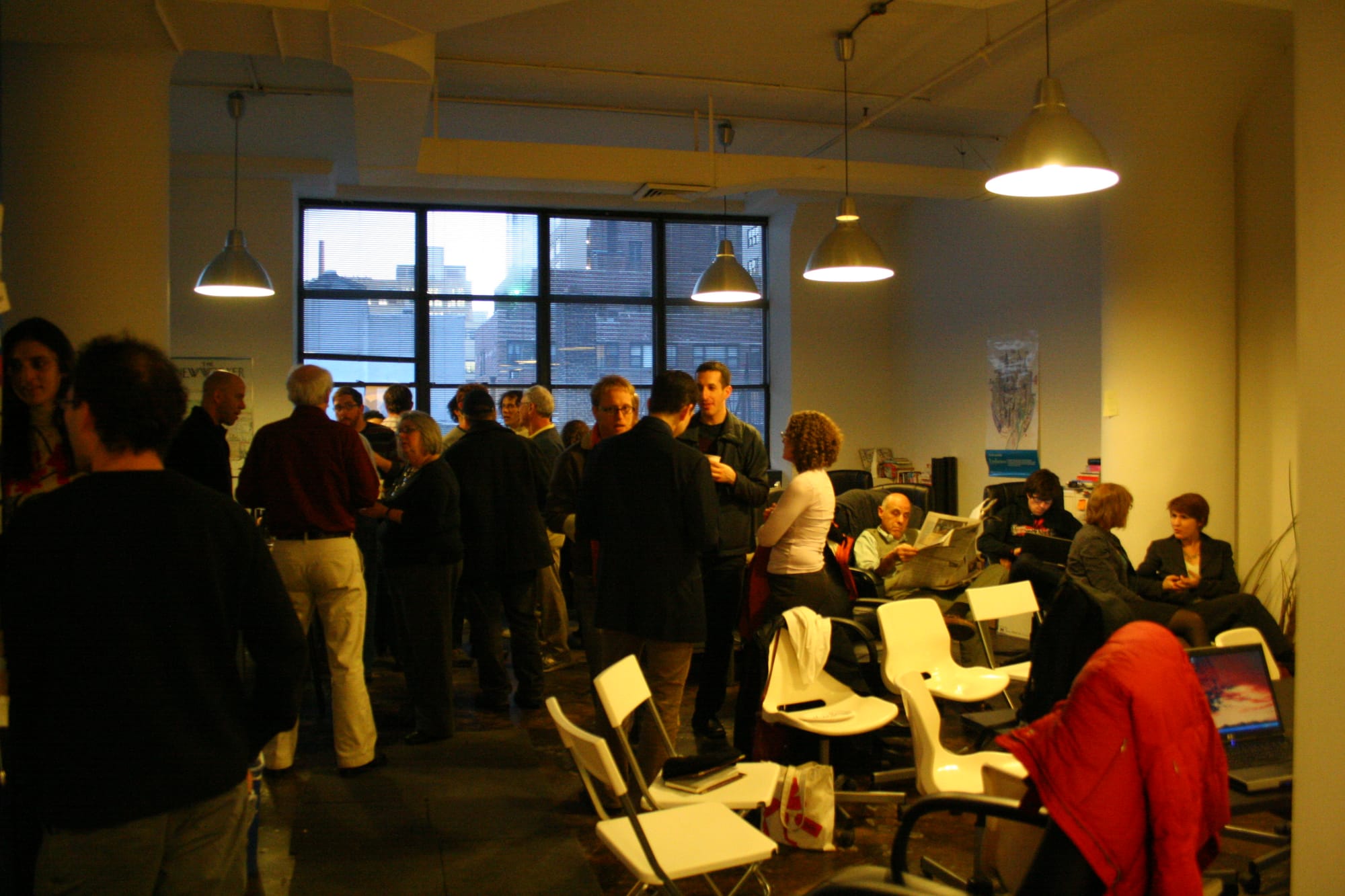
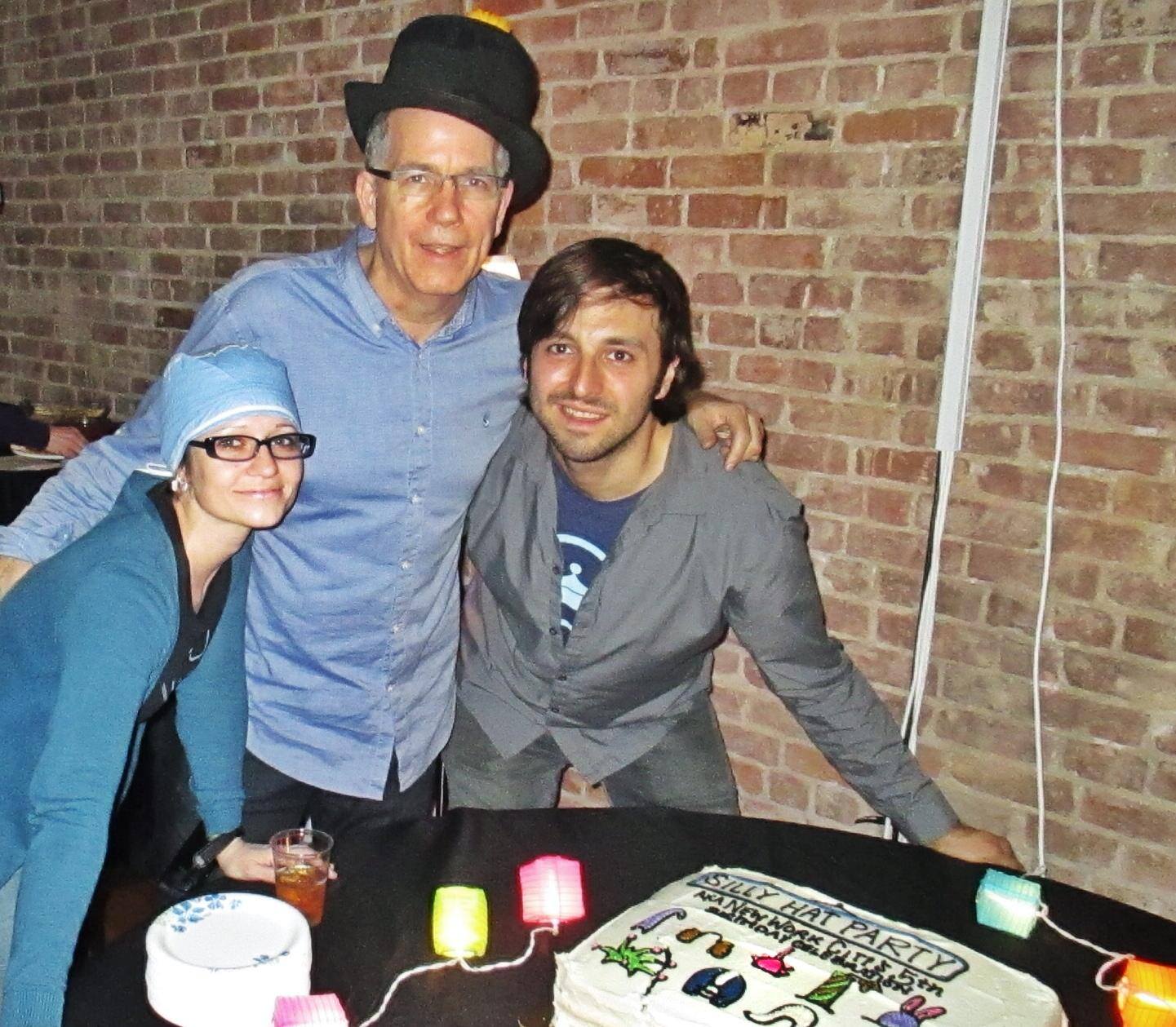
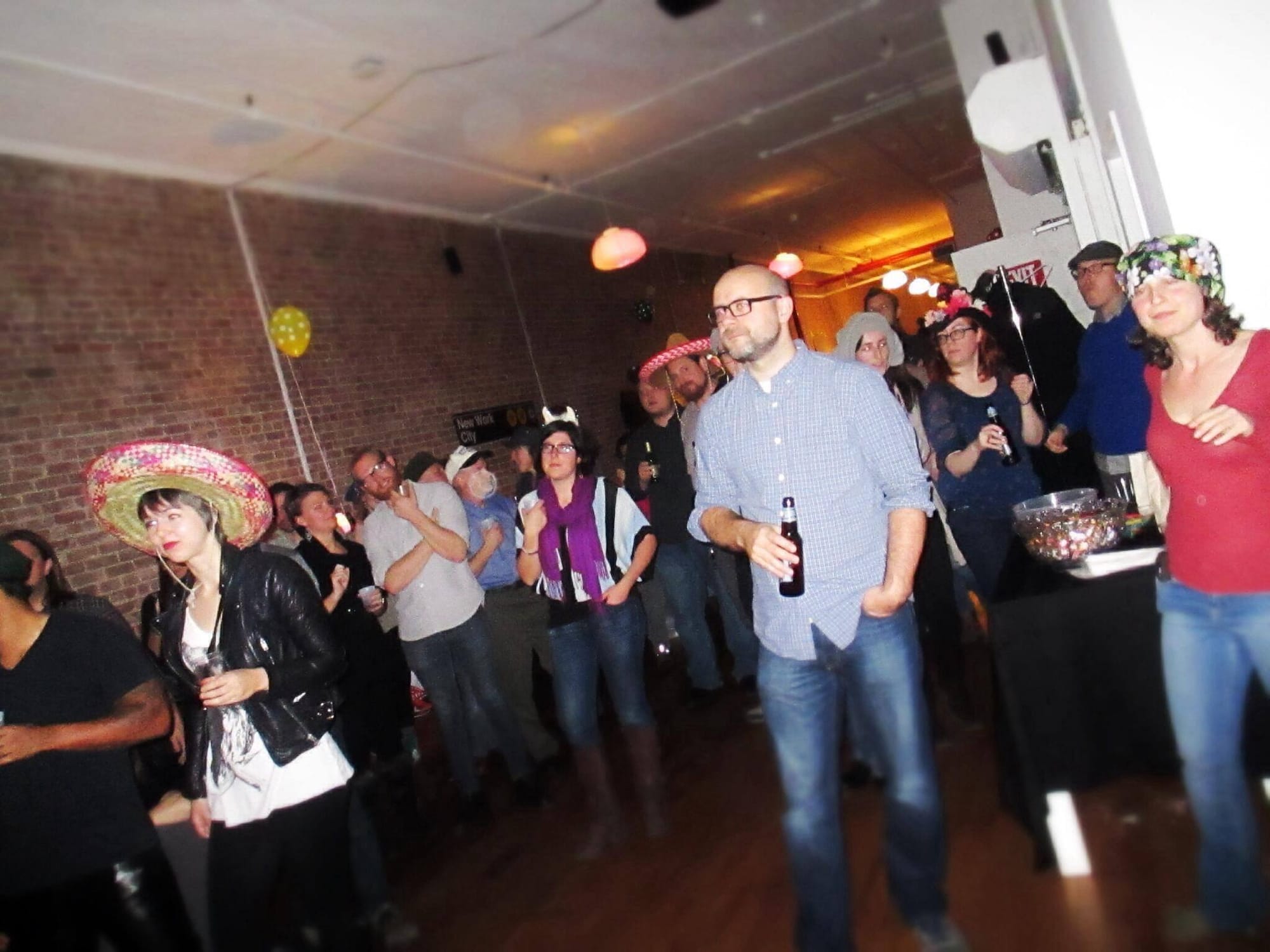
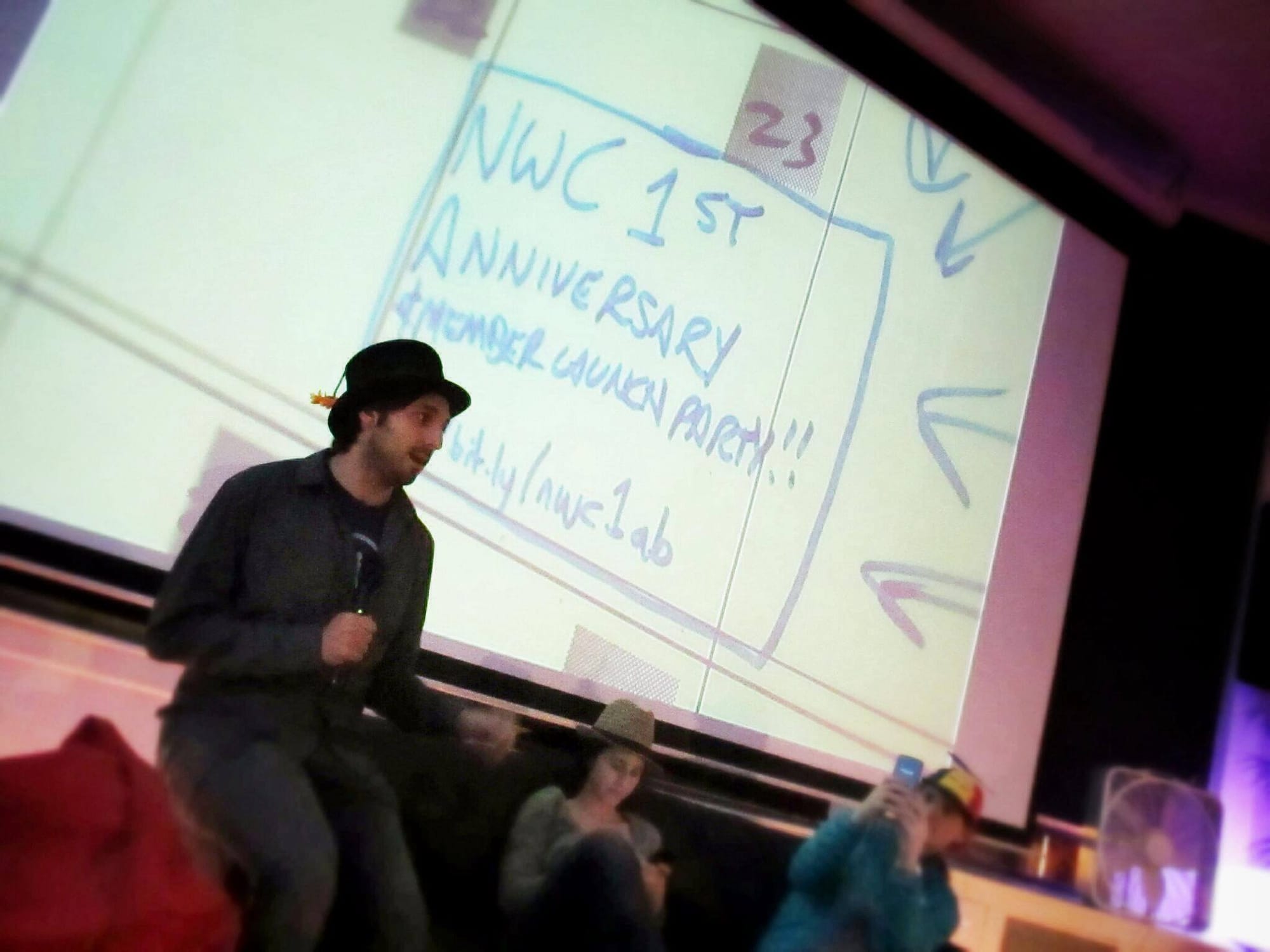
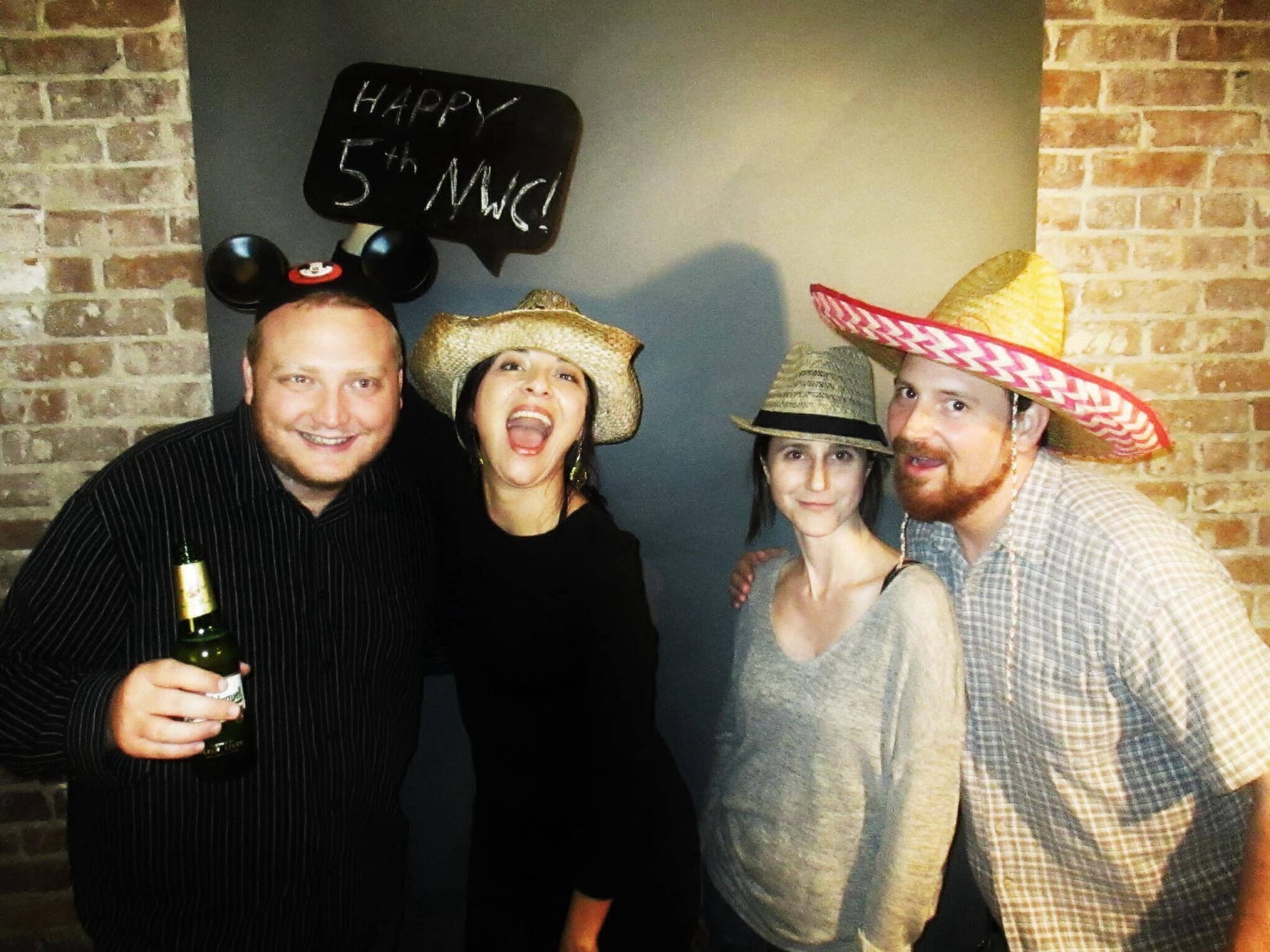
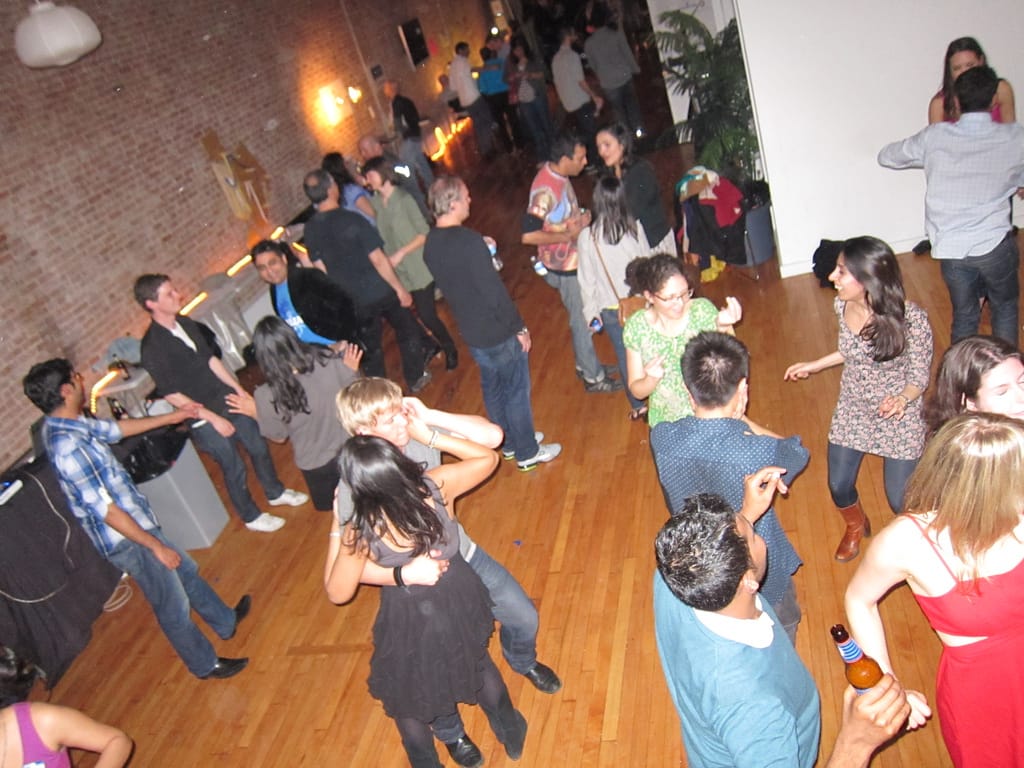
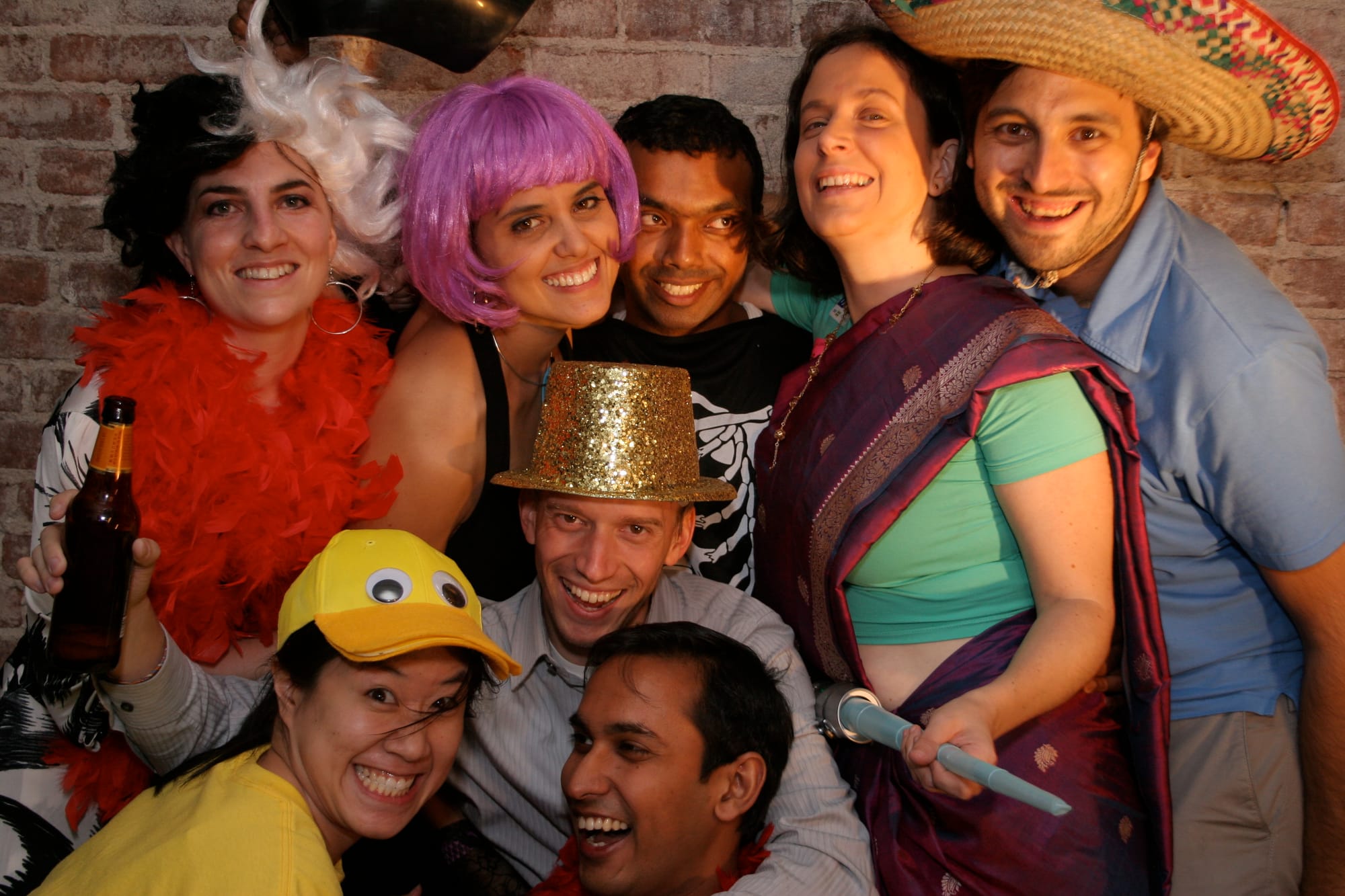
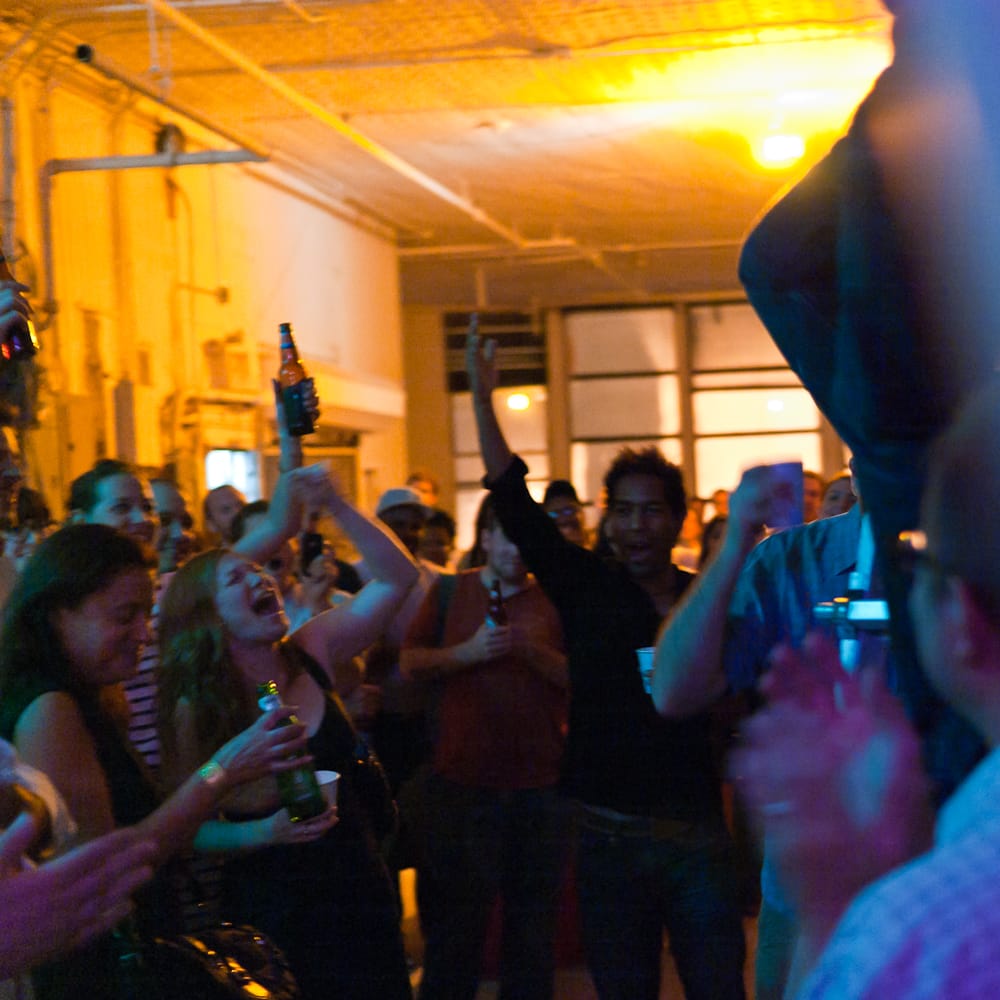
Then, of course, there were the poker nights, halloween parties, anniversary parties, holiday festivals, the Startup Funerals, the happy hours, the karaoke nights, the movie nights, and more.
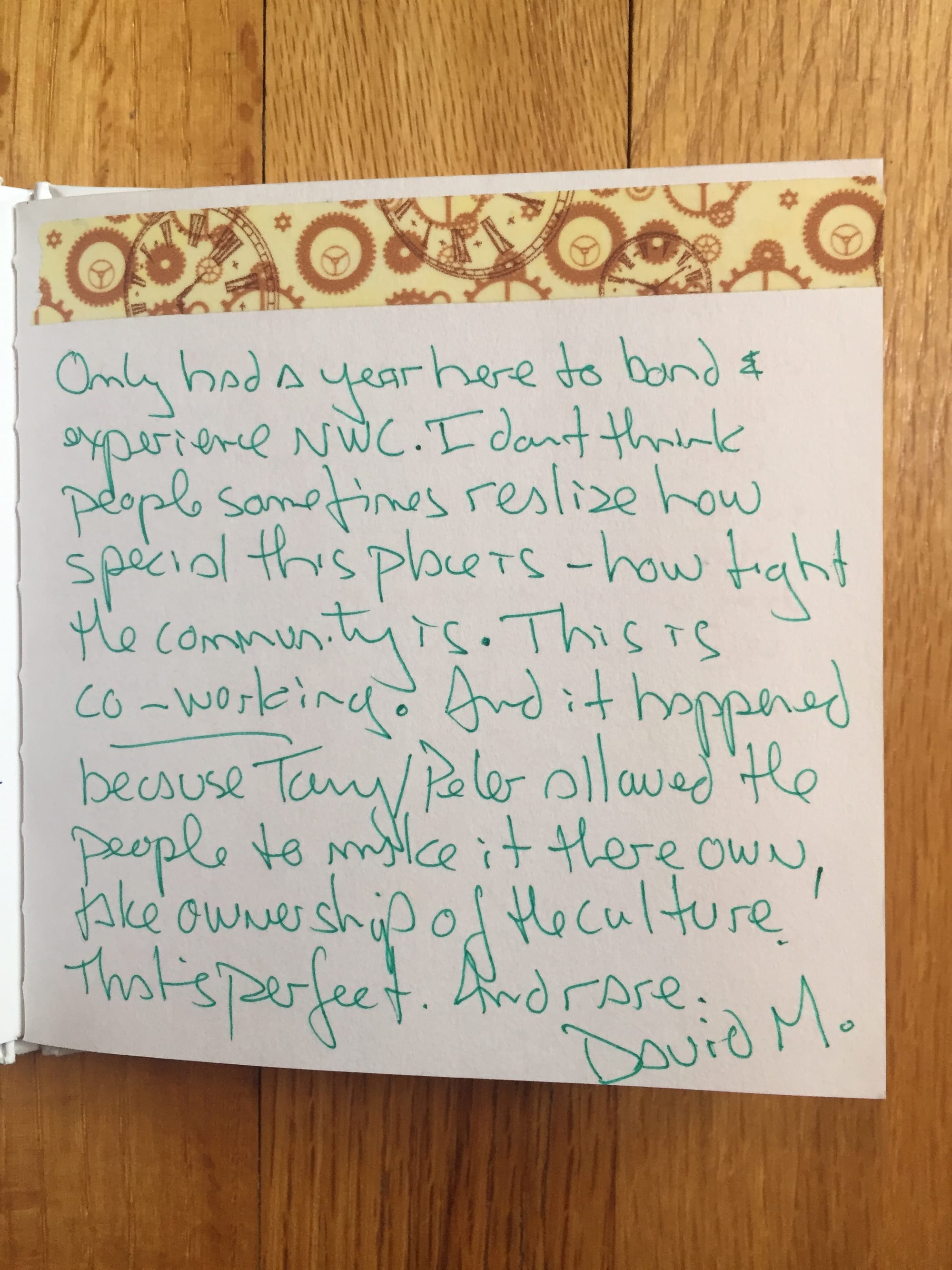
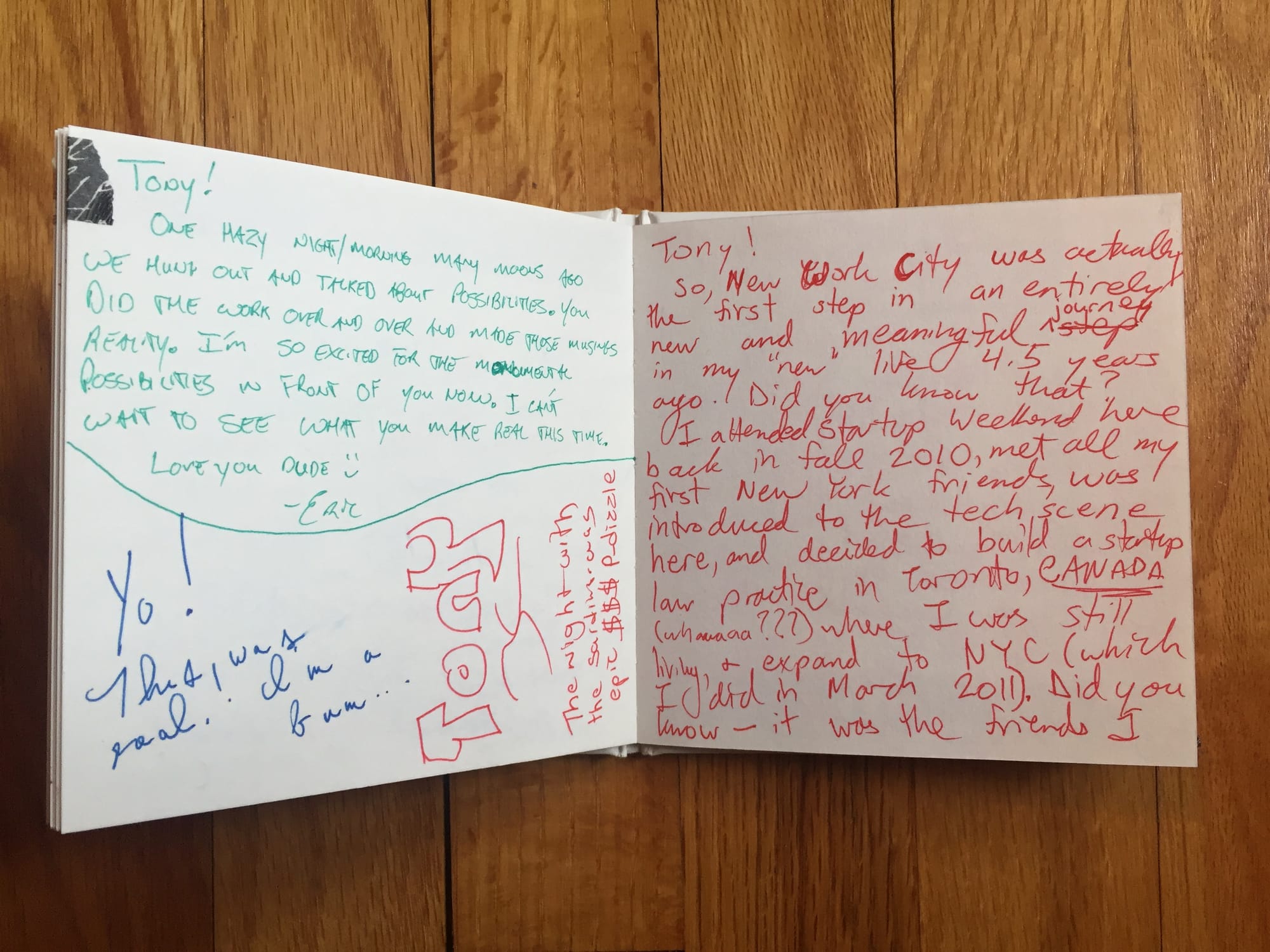
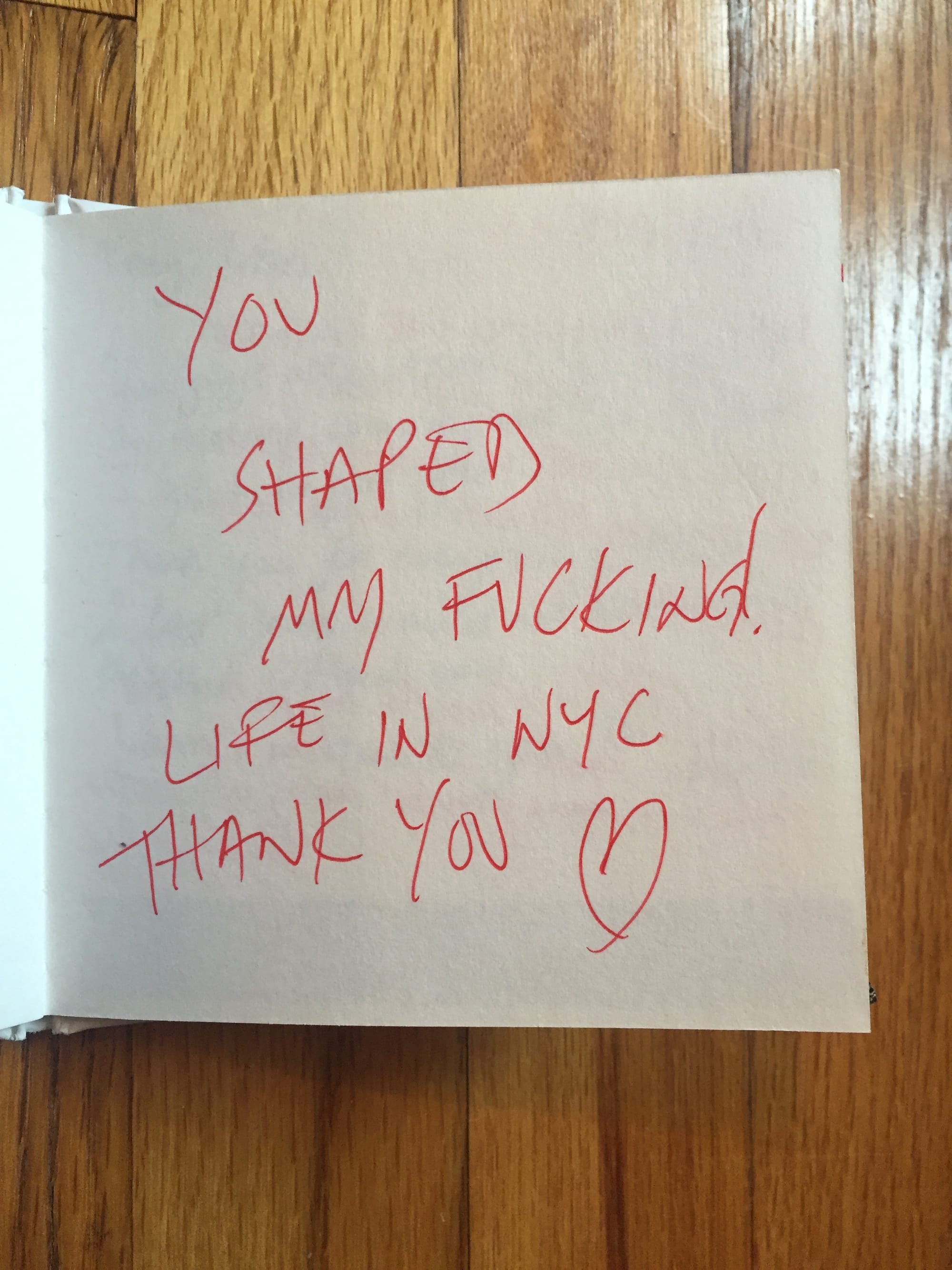
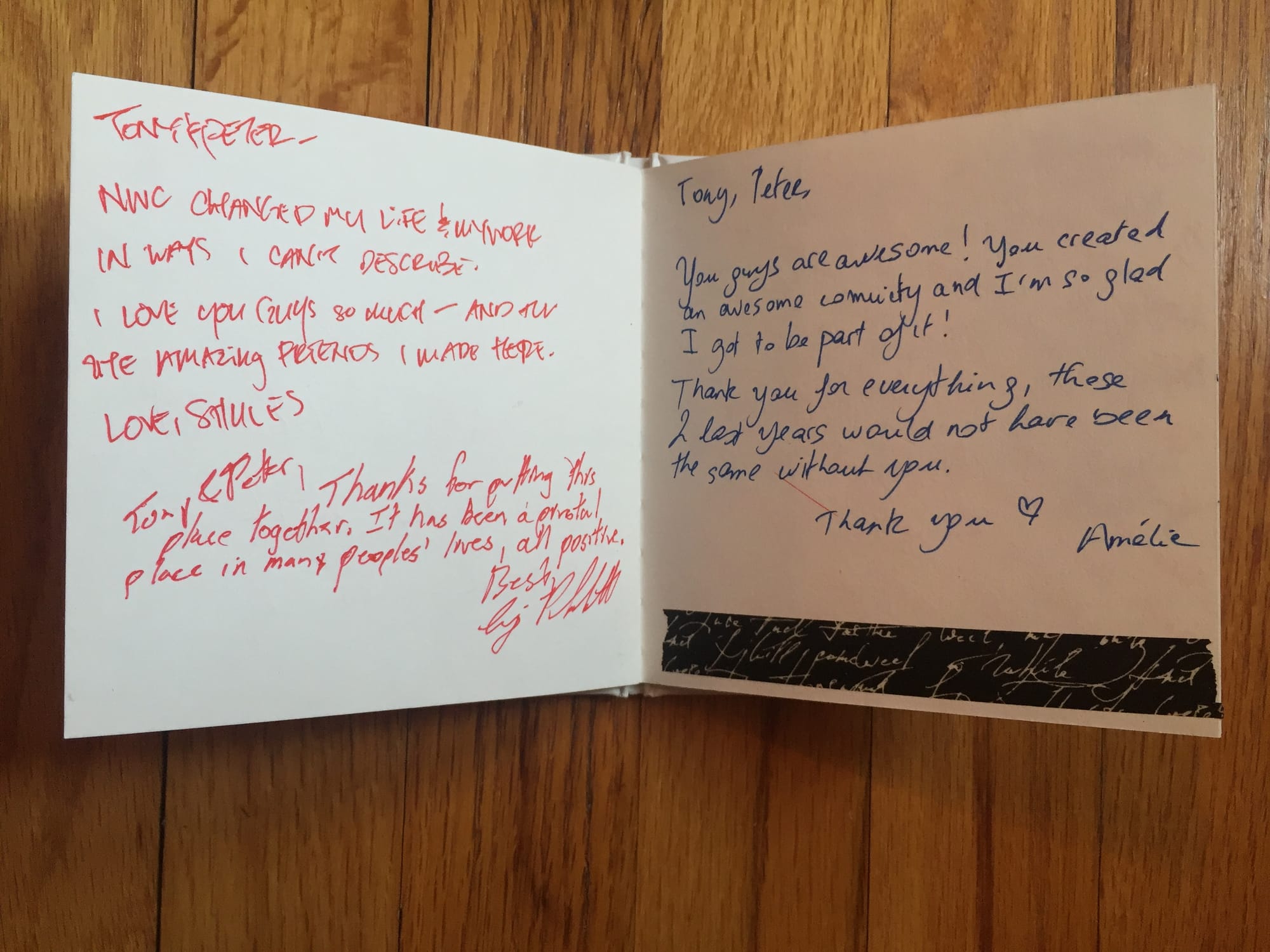
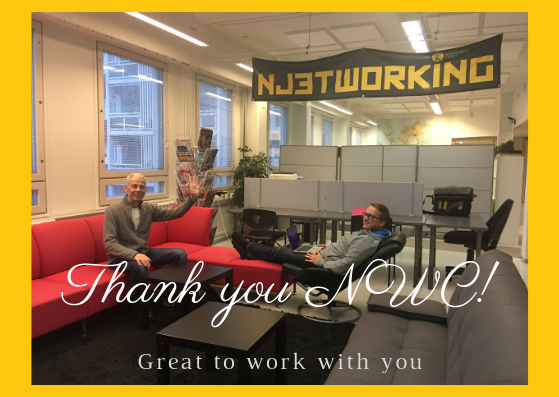
Along the way, literally thousands of people have helped in one way or another (you can see more about some of them on our Thank You page), and countless more have been positively affected by working here, visiting for an event, just passing through, or learning of our efforts online.
Reflecting on it now
It wasn't until years after we closed our doors that I understood what New Work City really was.
It definitely wasn't a business venture. It was a business, sure—it made more than it spent—but that wasn't why we did it.
When I started to realize that I was an artist, and that community could be a medium, it dawned on me that New Work City was, more than anything, an art installation. It was my way of showing the world what I envisioned could be possible.
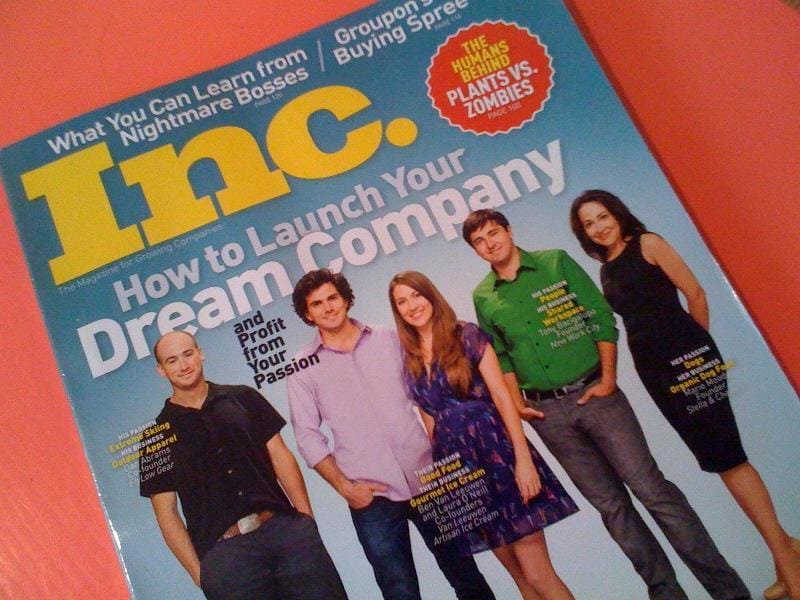
And that we did, earning features in the New York Times, Wall Street Journal, Inc Magazine, Entrepreneur Magazine, NPR, and more.
It was Manhattan's first coworking space—but the ensuing years have changed how people understand that phrase. In the pre-WeWork era, the coworking movement was known as being primarily a social movement—it was about getting people out of the house and giving them a place to gather in a way that laptops and remote work made possible for the first time.
The movement is still out there, still spreading, and still all about this—but the public perception of "coworking" shifted along the way.
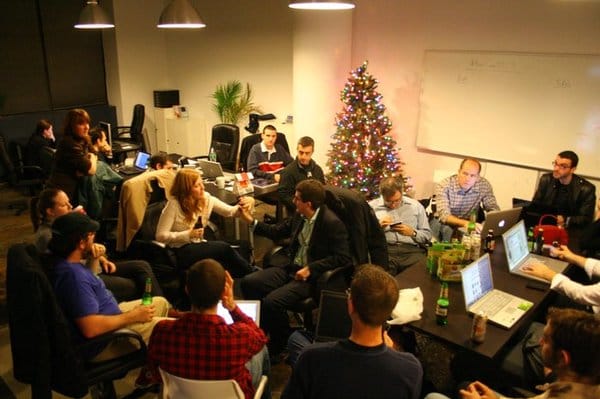
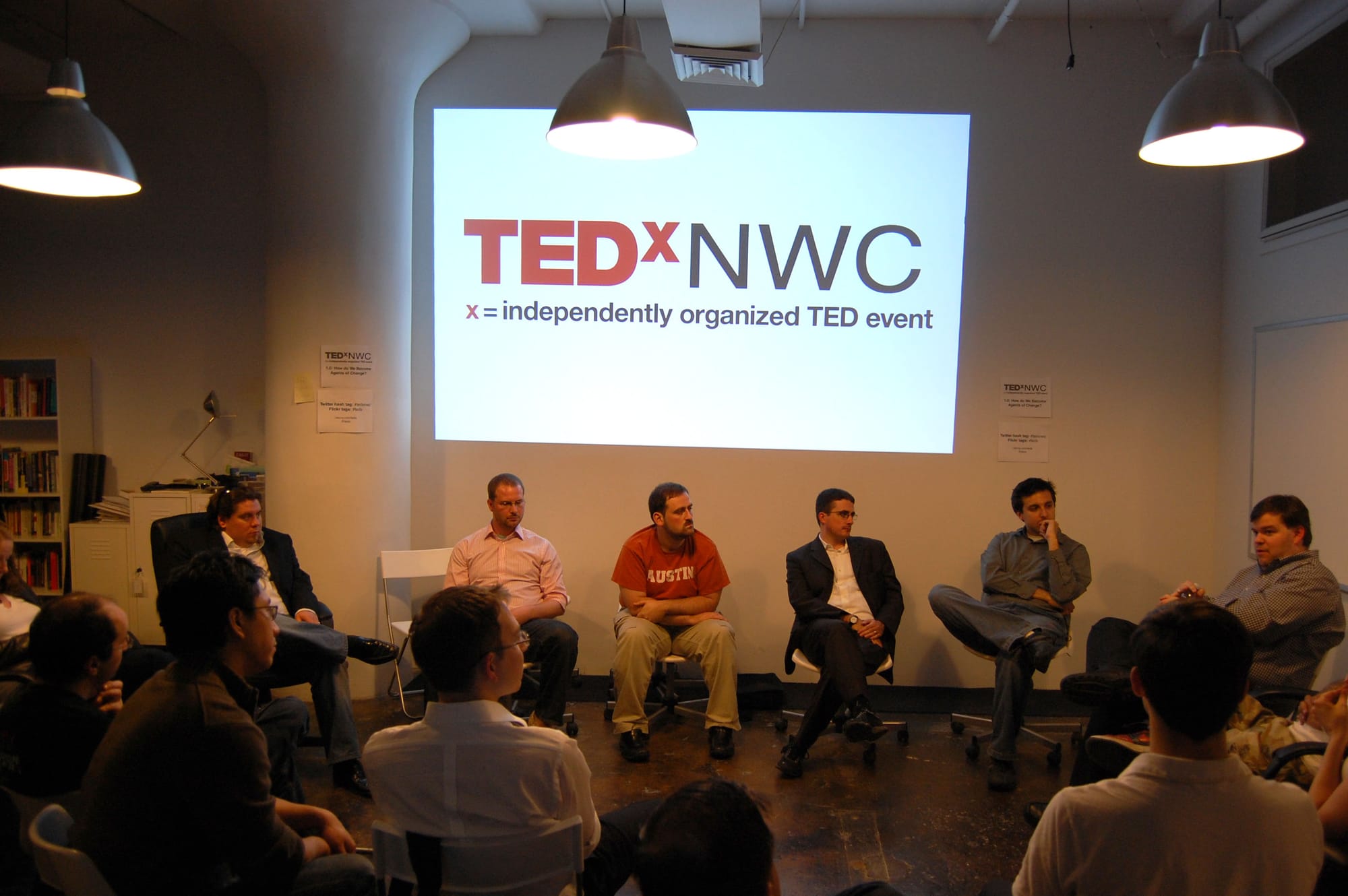
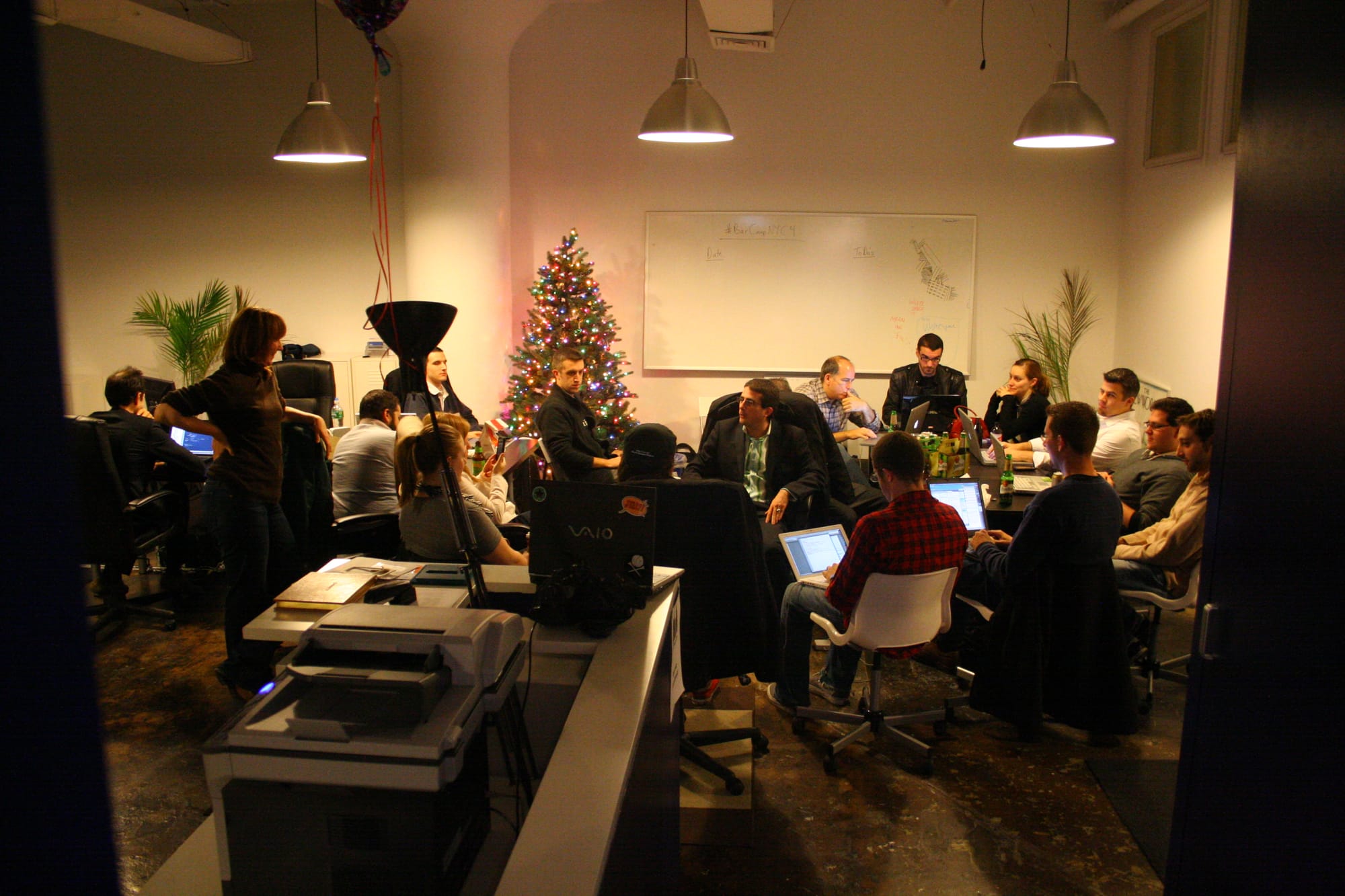
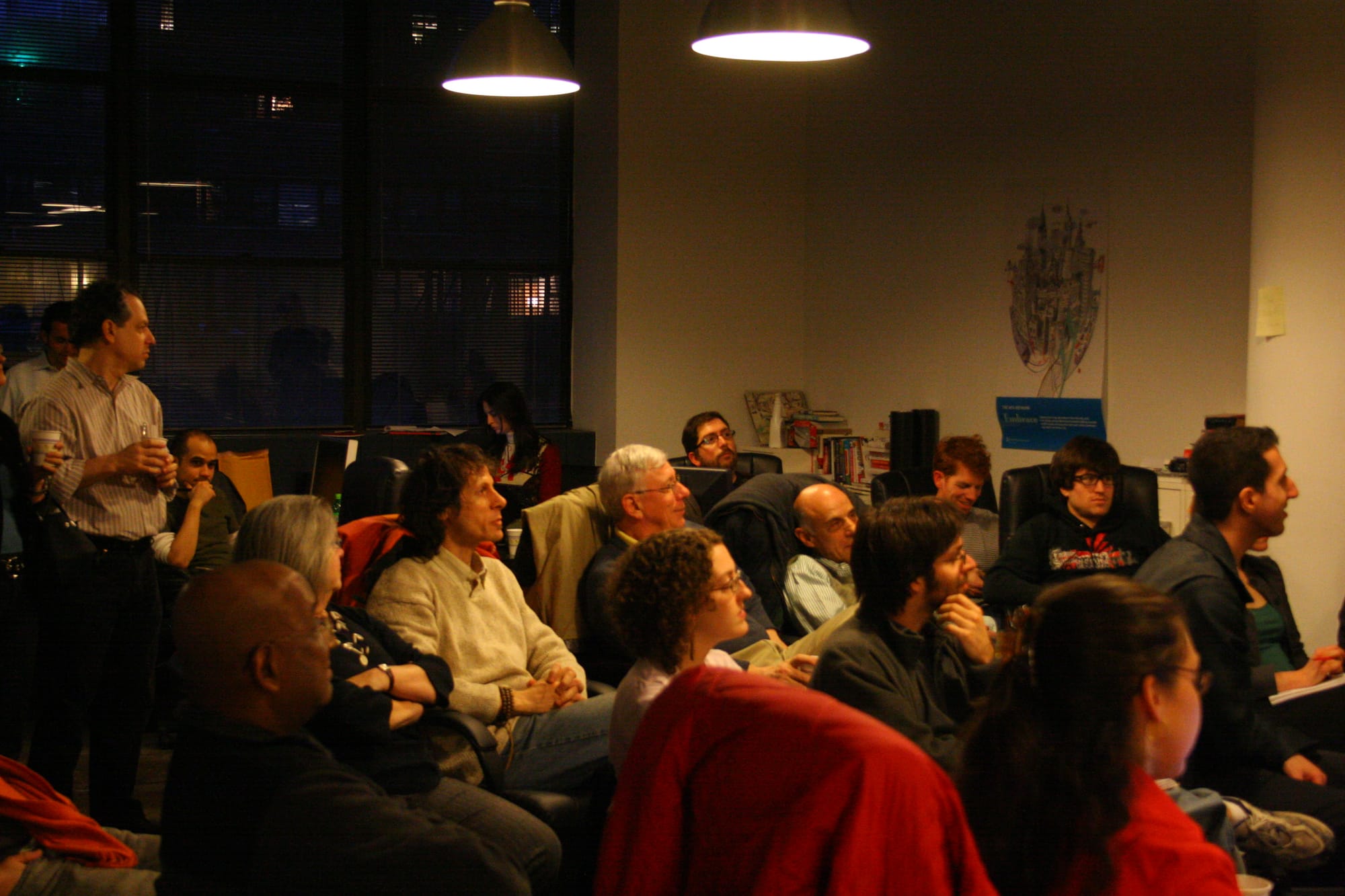
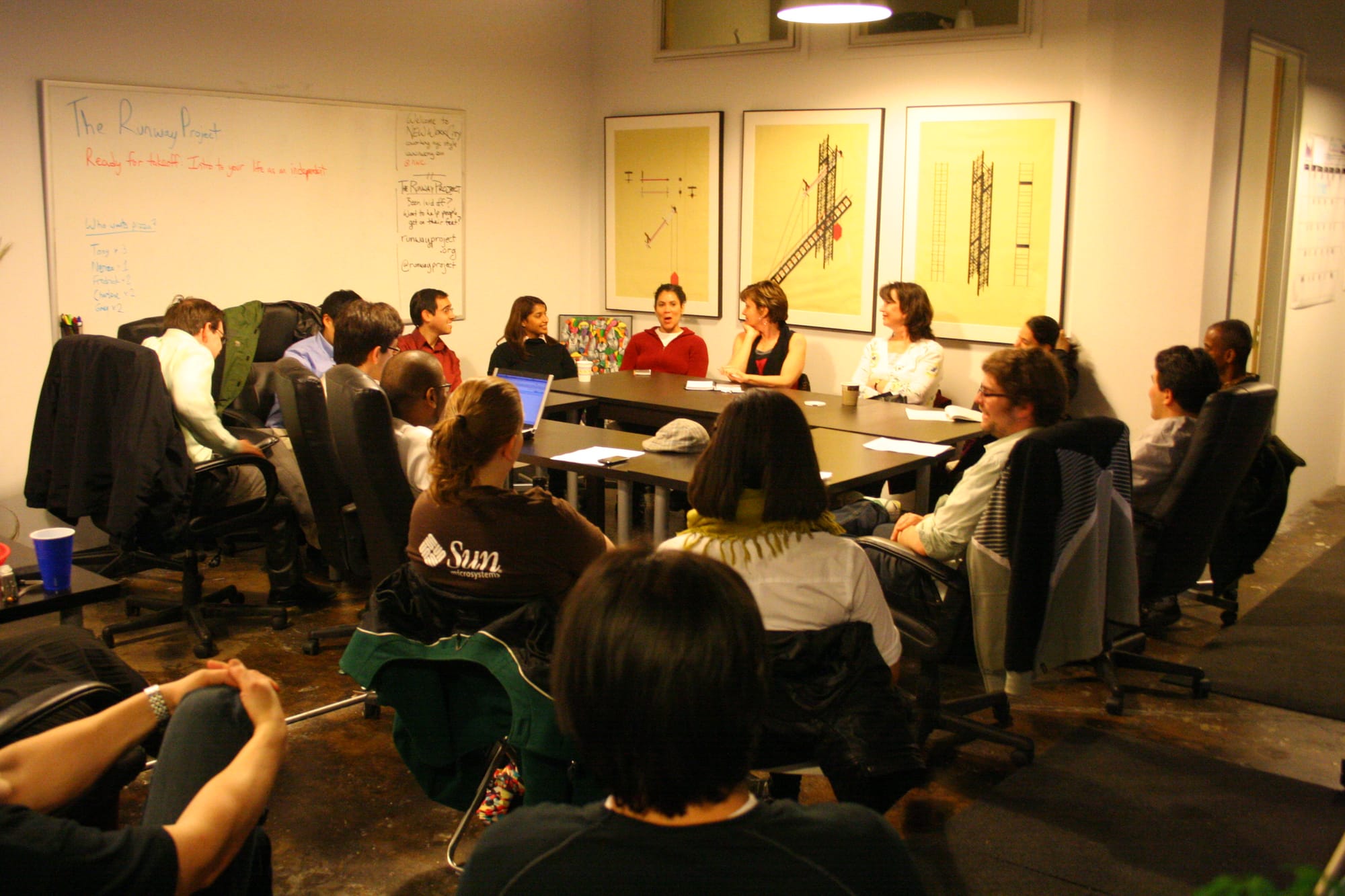
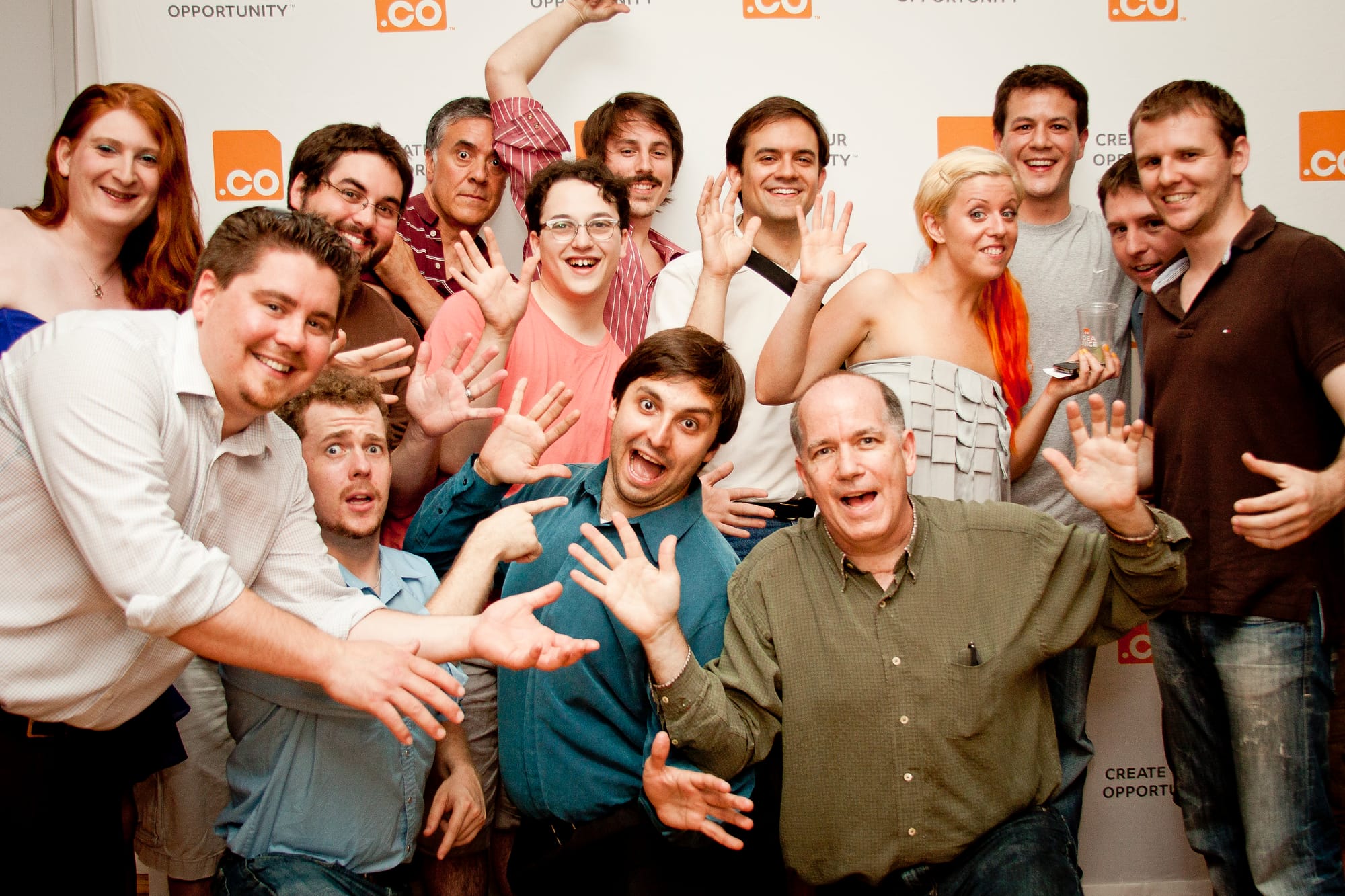
New Work City was about creating space for people to gather in new and creative ways. We were home to dozens of Meetup groups, hackathons, parties, late night coworking sessions, Startup Funerals, fake startup launch parties, Presidential debate watch parties, and so much more.
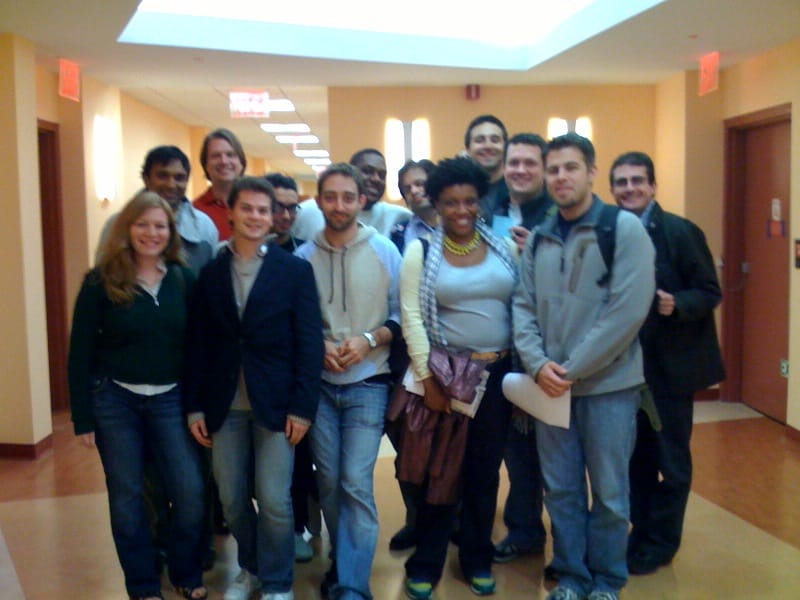
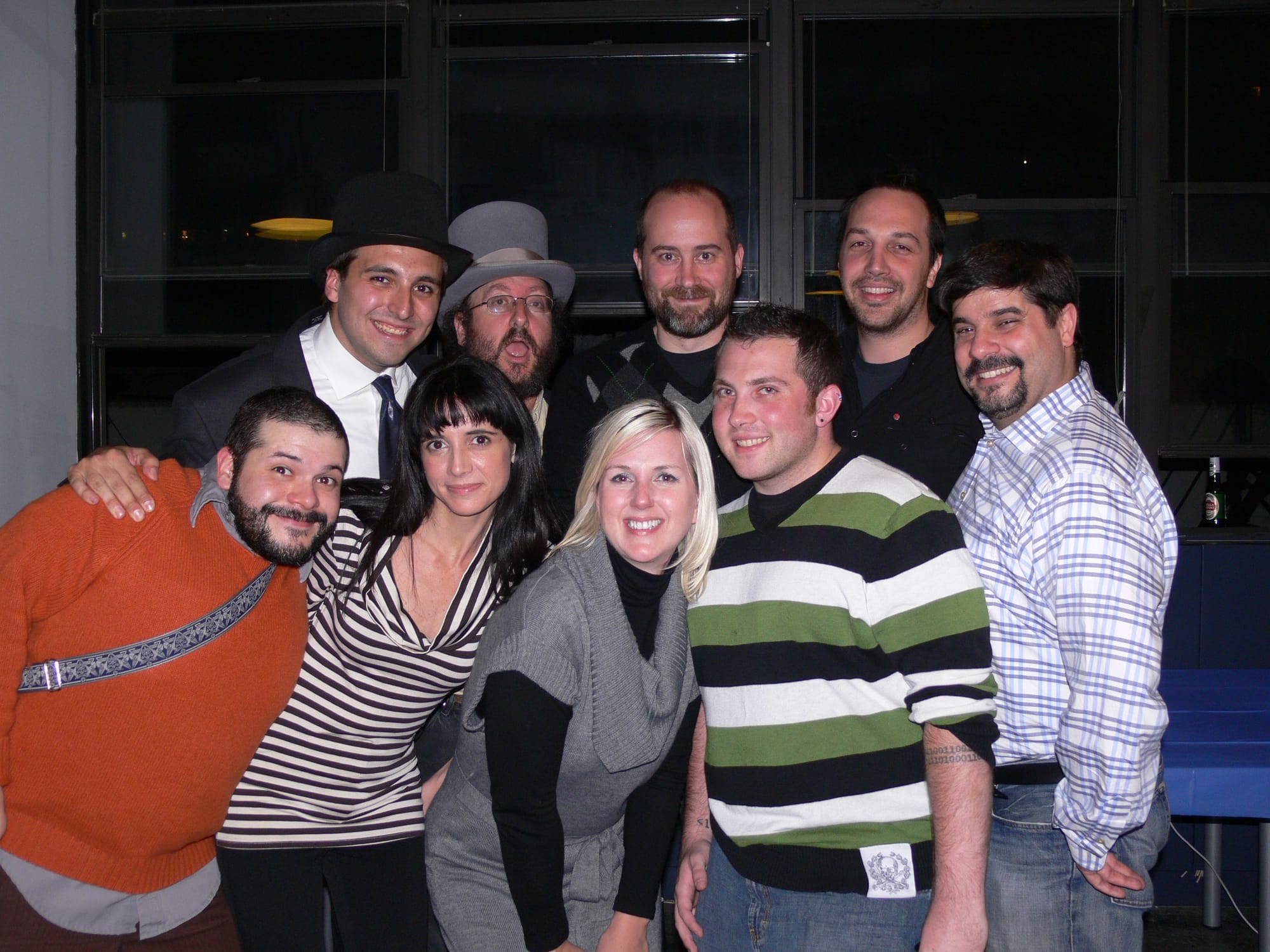
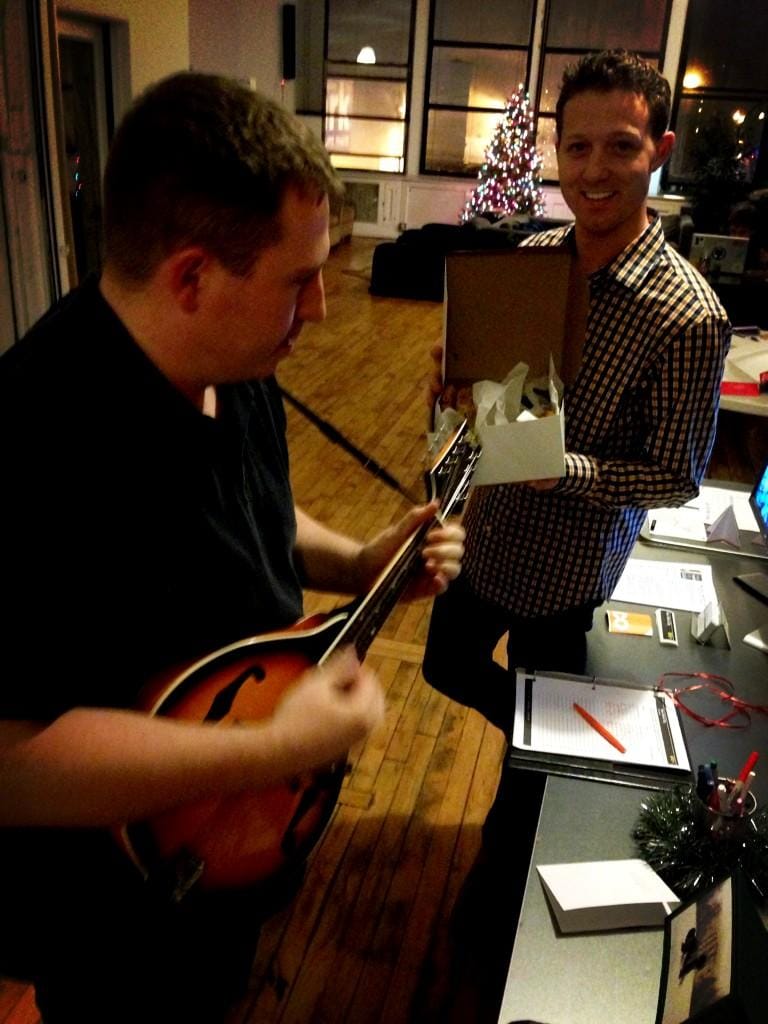
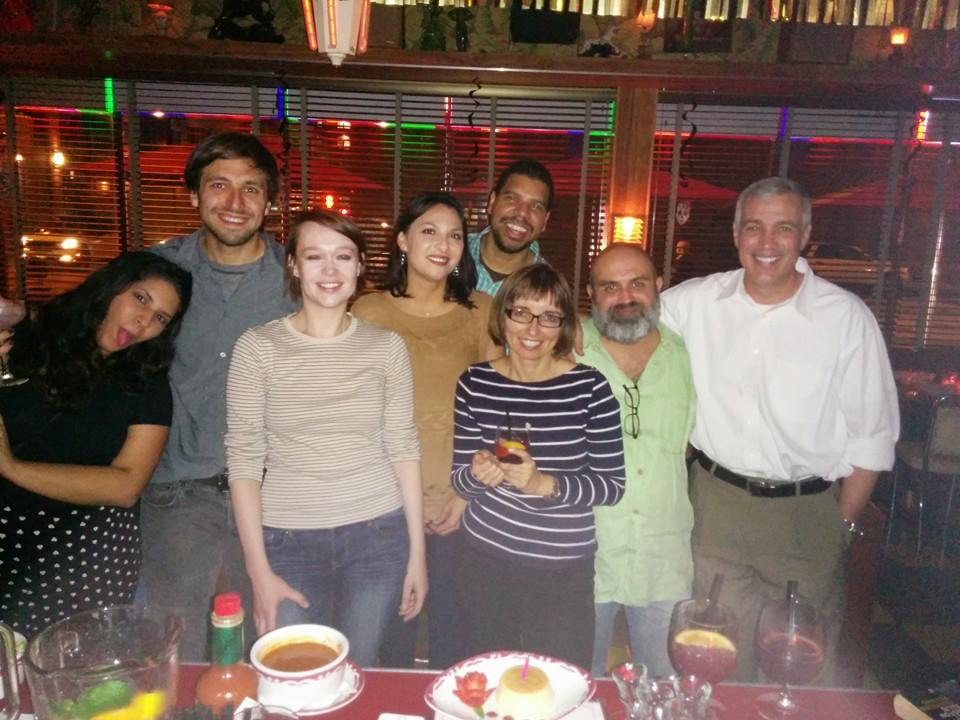
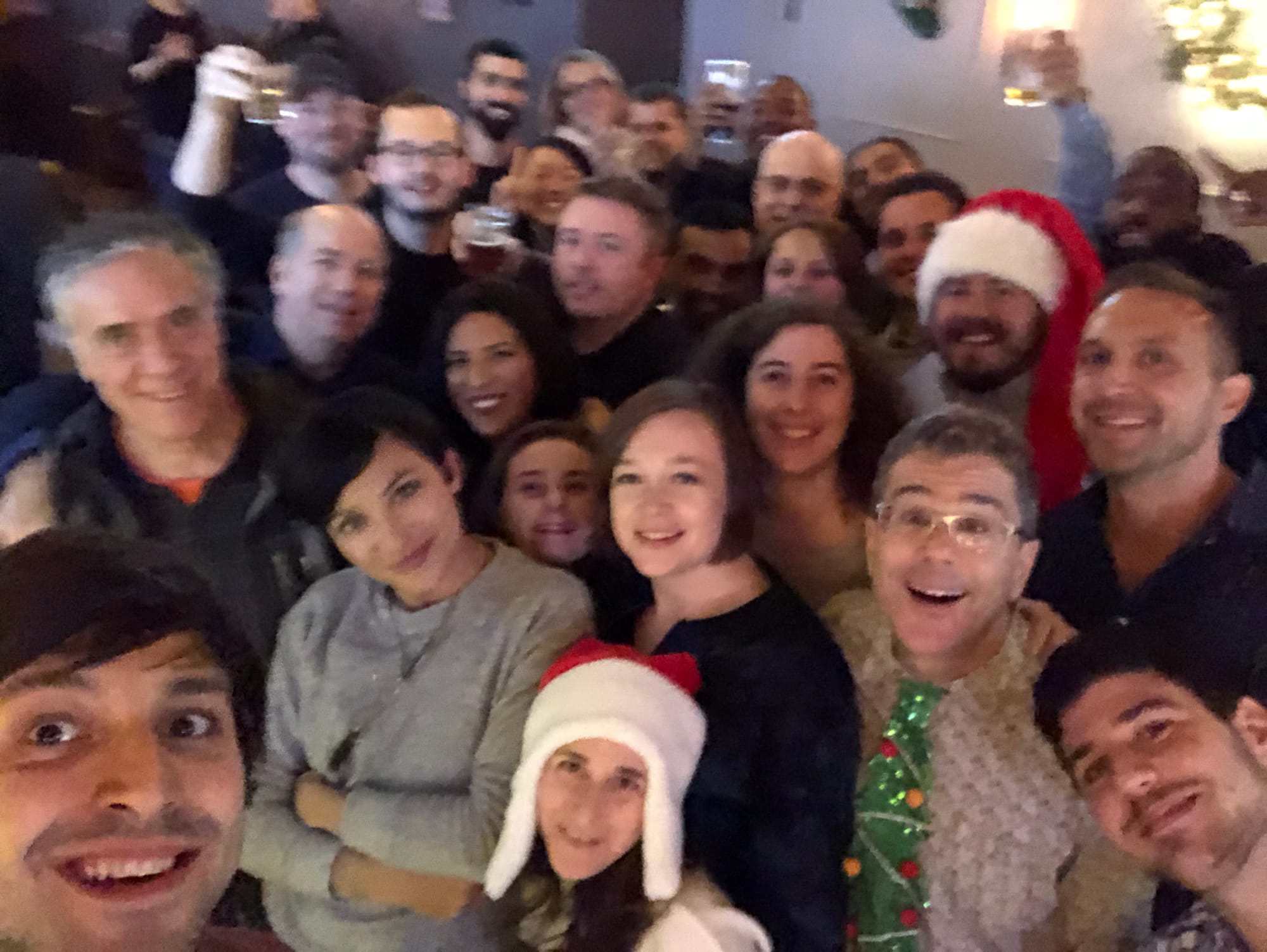
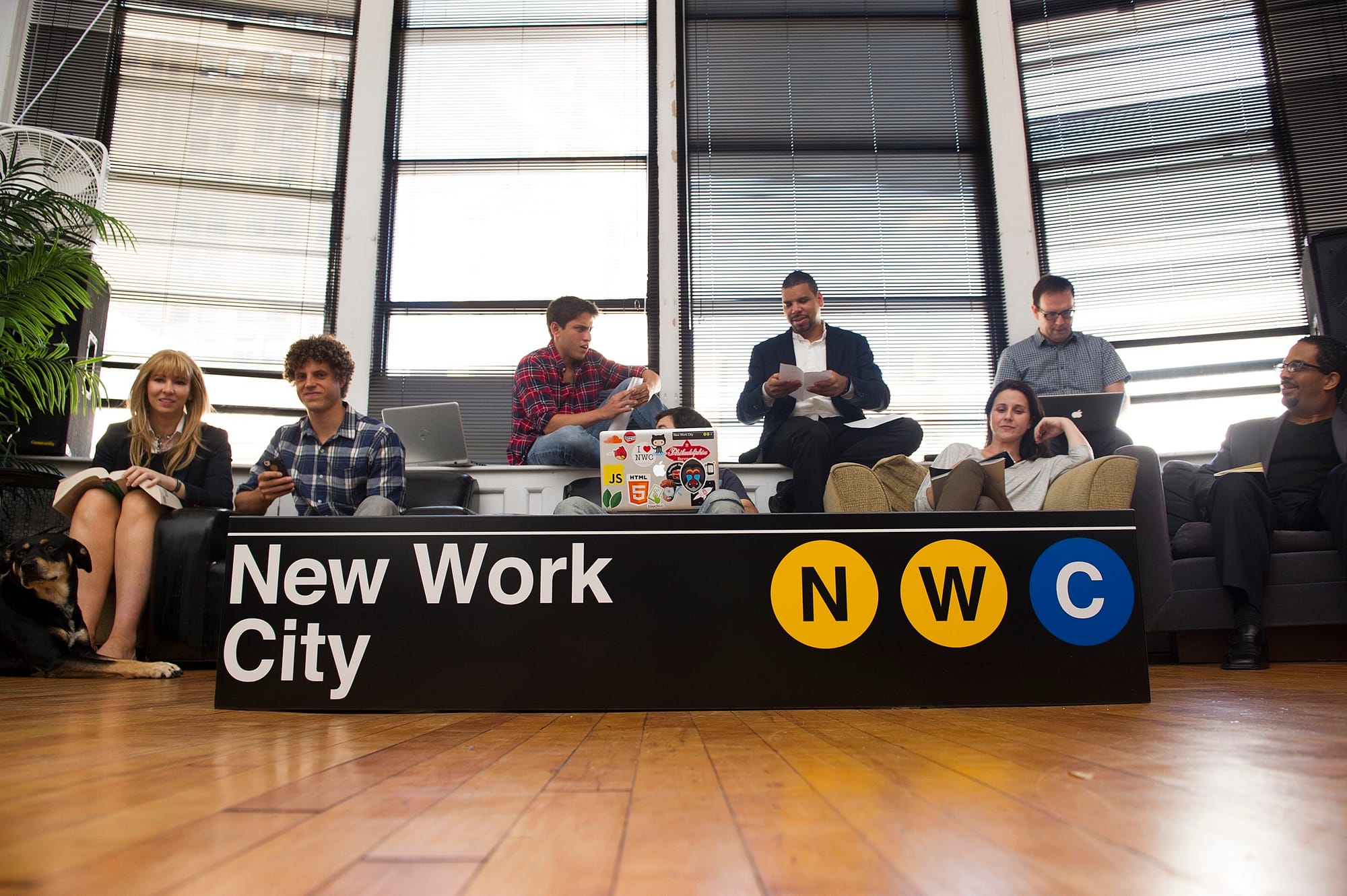
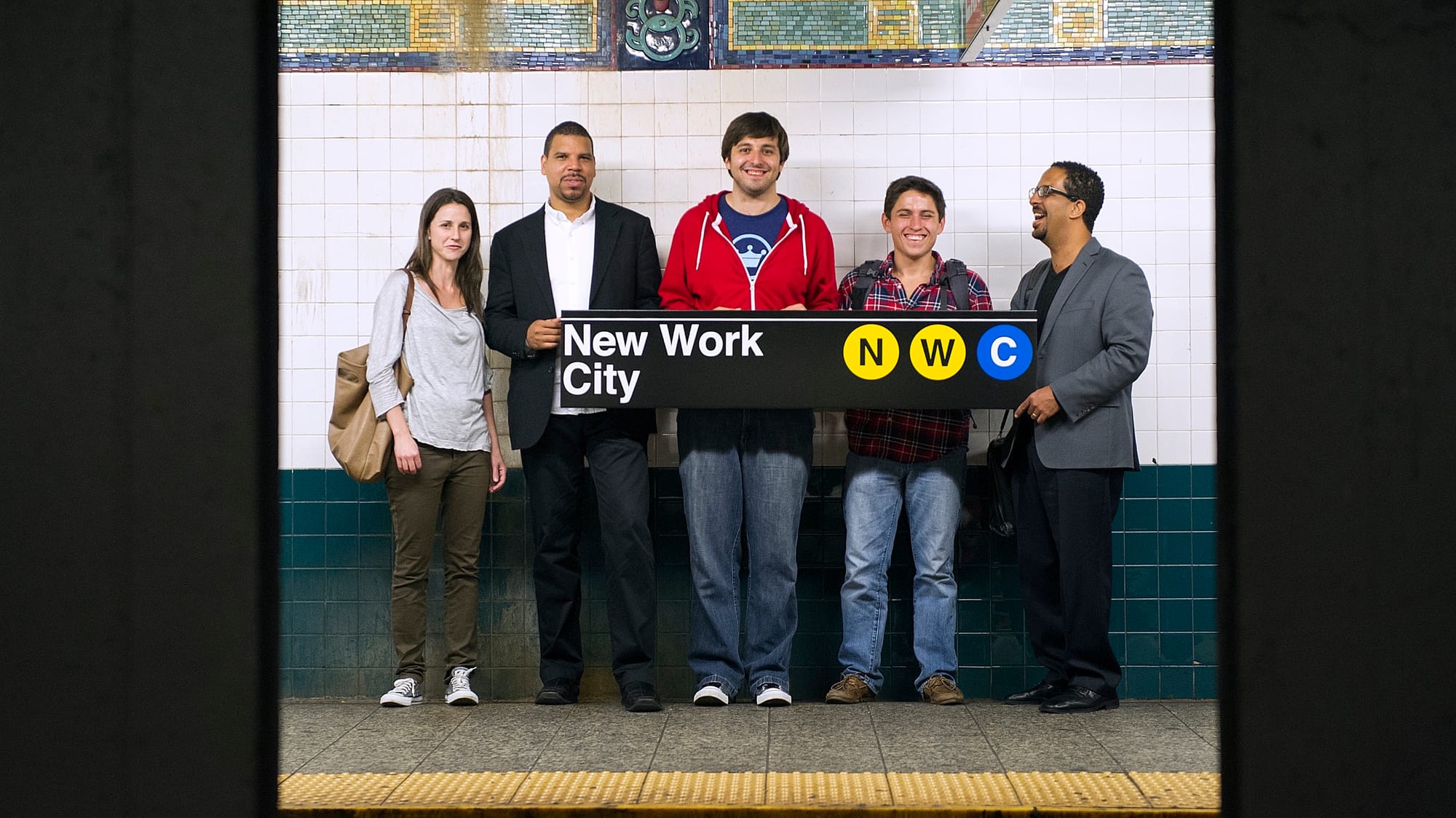
We were a community, first and foremost, and we still are. Before we had a space we were a community. We could only ever have built a space because of the support we pulled together to do it. And, to this day, we still gather at least once a year for an annual holiday shindig.
Members of our community continue to work together, having formed lifelong bonds.
And our impact continues to reverberate, as hundreds of other leaders learned from our example to build communities and spaces of their own around the world.
After we closed our physical doors, I started my consultancy, New Work Cities—where I created resources and a mastermind group to support those leaders any way I could. I'm continuing that work through the present day.
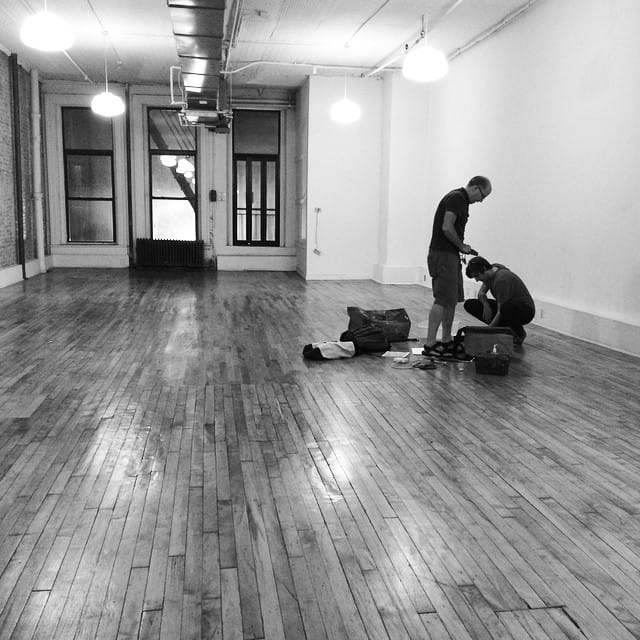
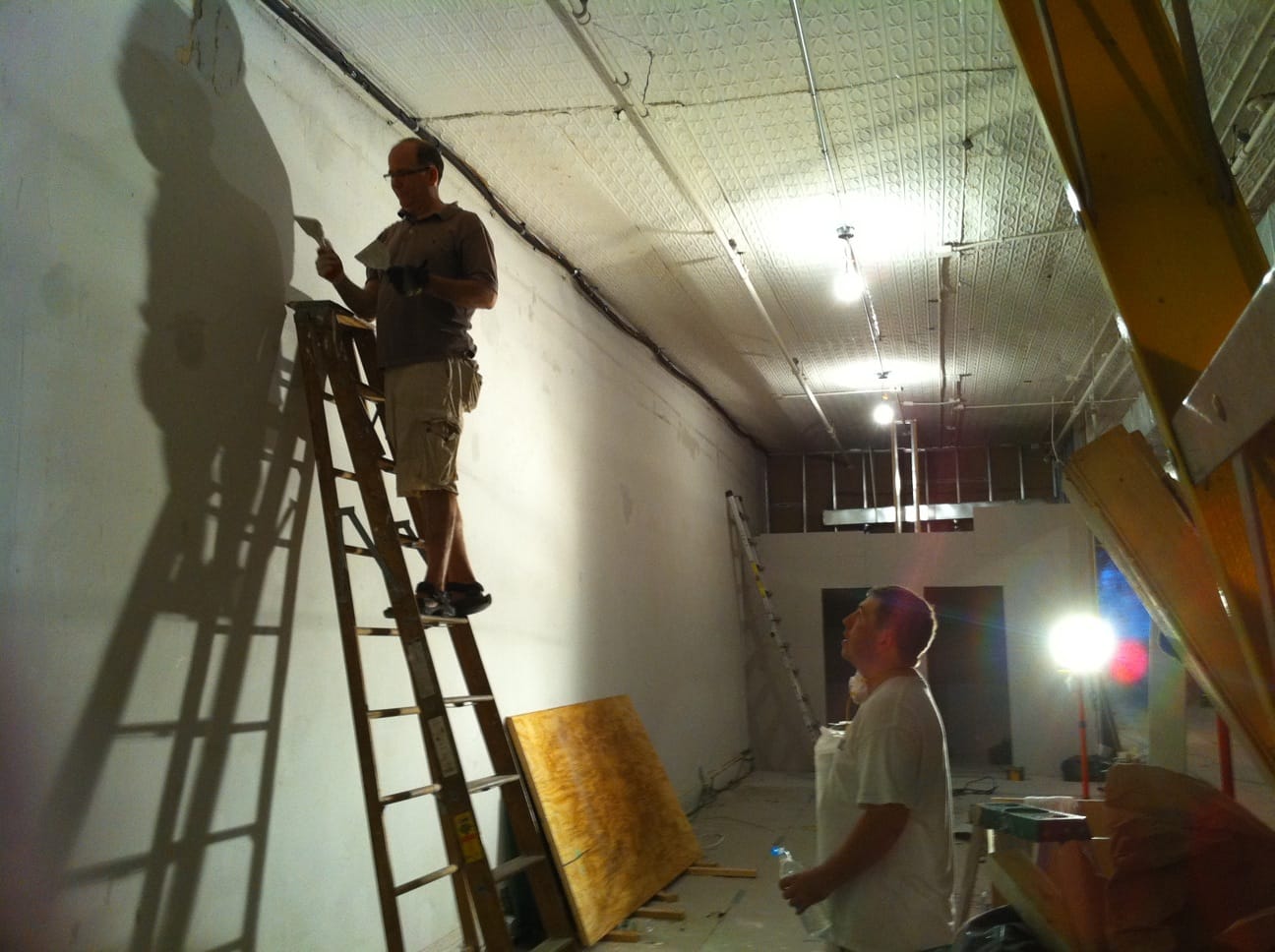
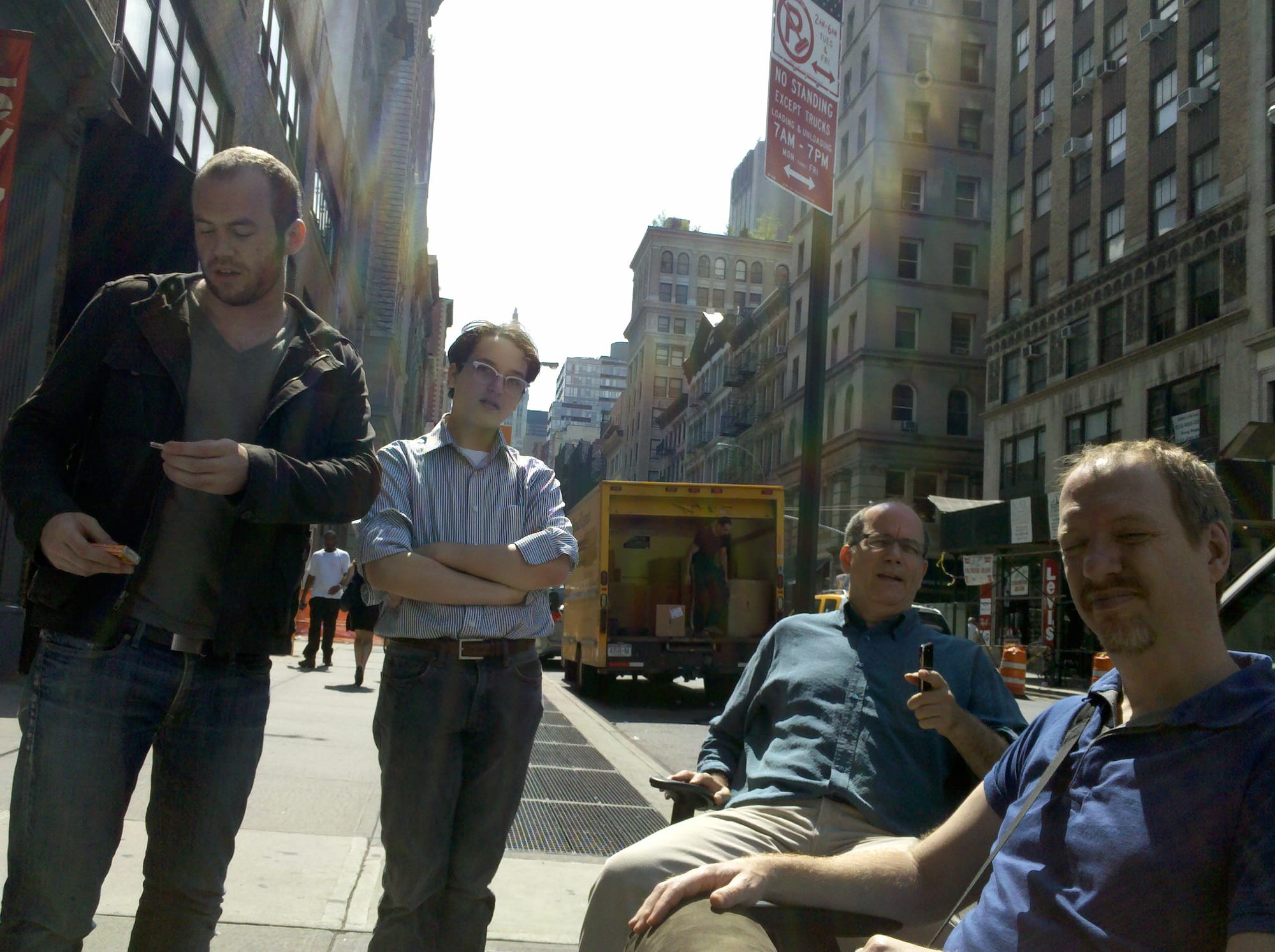
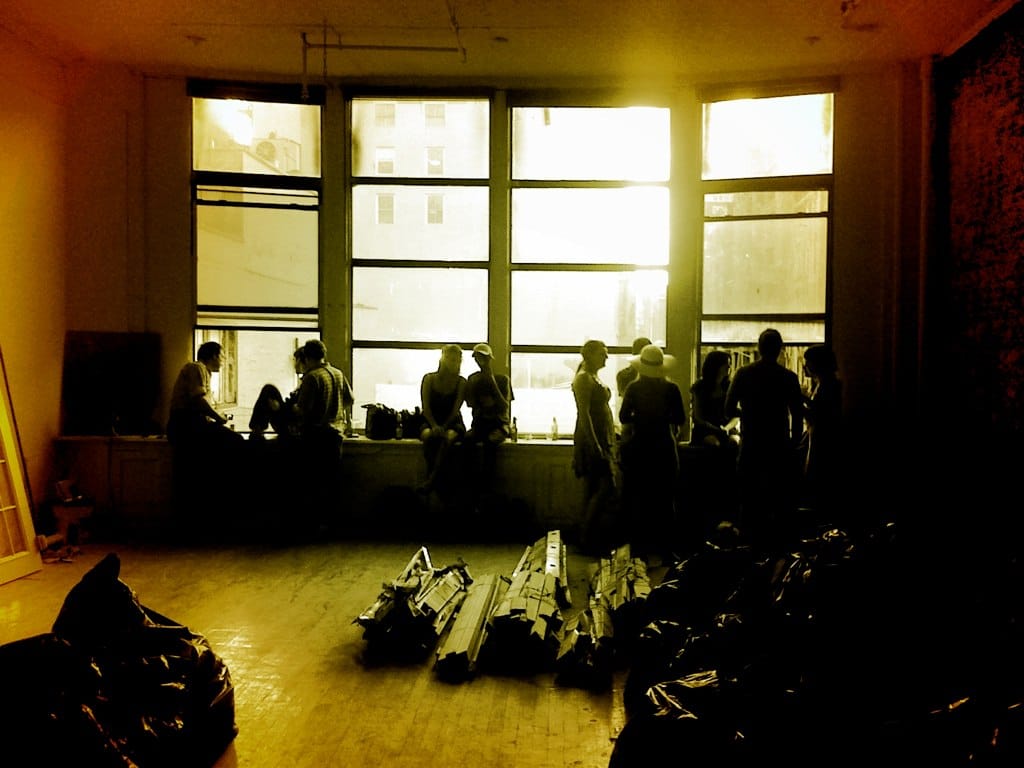
NWC 1.0 - 200 Varick Street
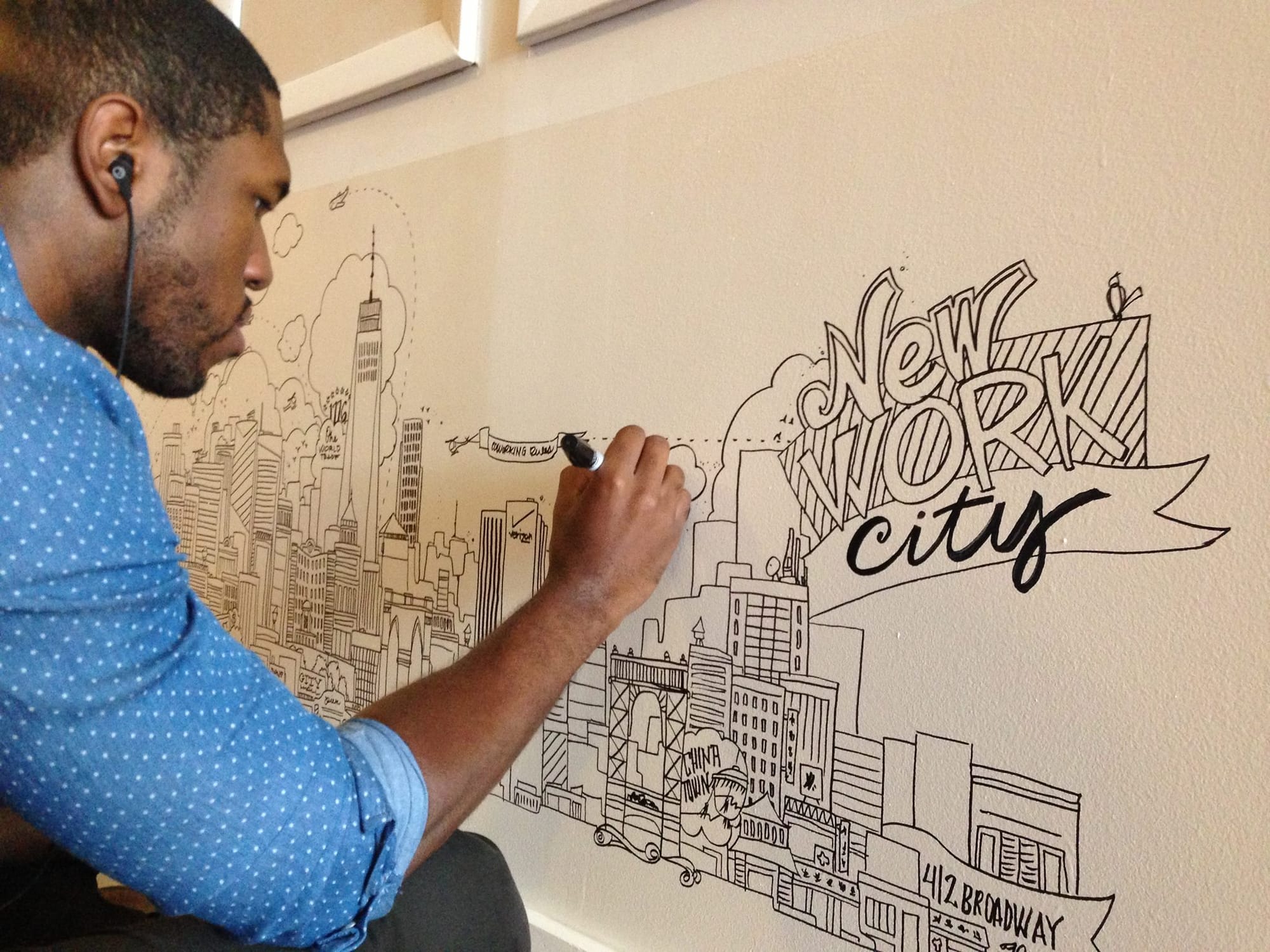
NWC 2.0 - 412 Broadway
Legacy - New Work City's closing and afterlife as New Work Cities