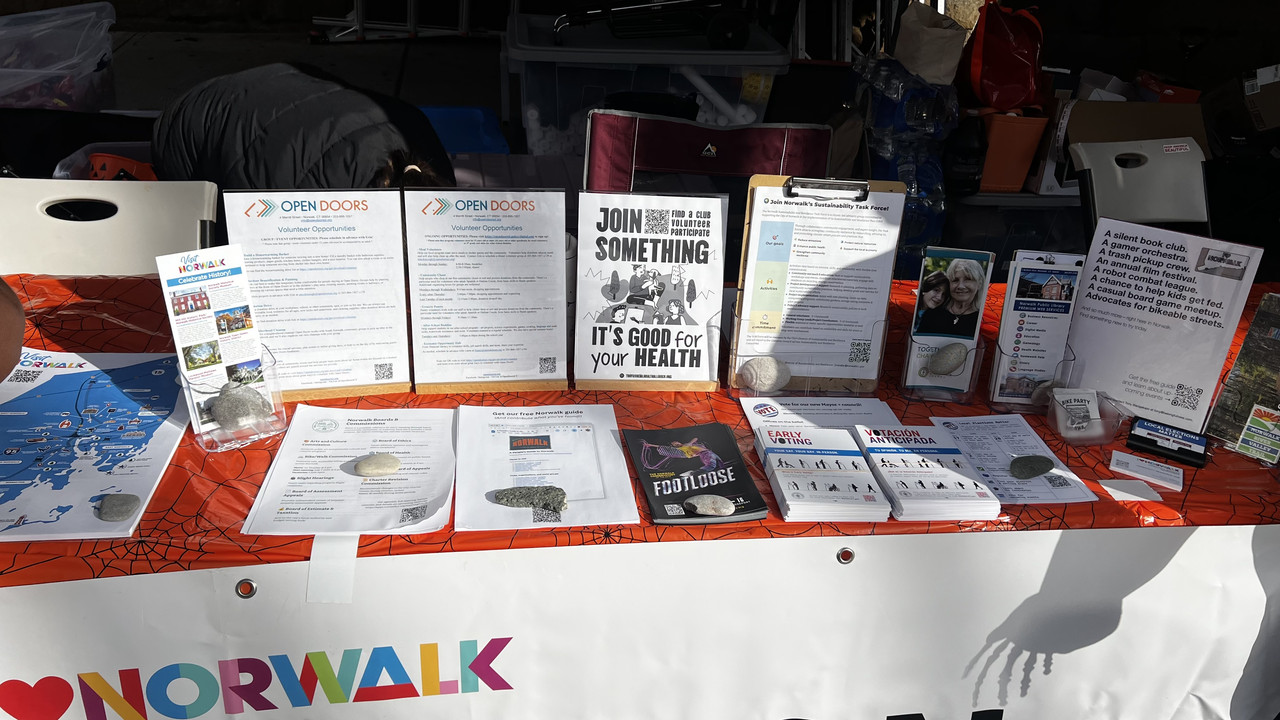
For months I'd been working the SoNo Saturday Market solo. Every month I showed up to staff the table, hand out flyers and brochures, and talk to whoever stopped by. I was doing real work to share ideas I cared about, but I was doing it all by myself, essentially a random citizen experimenting with his ideas in public.
Then, one day, fellow volunteer Jodi Trendler excitedly approached me with information about a new Task Force she was putting together.
I wasn't sure what to make of it at first. Jodi is the Director of Sustainability for the City of Norwalk, and her Task Force was organized around that. While I care about those initiatives, I wasn't sure how my work would fit in. But she had a vision in mind, and I could tell it was something she felt a lot of conviction in. I agreed to help her get the word out, and I agreed to join as the chair of the Task Force's Health and Happiness Committee.
I tend to say yes a lot, and sometimes that comes back to bite me, but sometimes it unlocks great new possibilities.
I joined not really knowing what would happen. I sat in on the calls and started piecing together the team Jodi had been recruiting. She had a structured process we were all following, so we could ultimately deliver a report and a set of recommendations to the city for their consideration as they make decisions about the various policy areas we were covering.
It turns out Jodi had a plan, and I was far from the only person she had been recruiting with such fervor. When we got together on calls, I was in a room with 60+ other passionate leaders and citizens in our city, each involved in one of the nine topic-oriented committees.
Our mandate
In broad strokes, the task was clear. We were to operate in three distinct phases and report on progress during our monthly meetings:
- Conduct research and find out the current status of our area of focus. What data exists? What can we identify as key strengths and weaknesses that merit further attention?
- Develop recommendations based on that information, informed by data and backed by research.
- Identify any potential funding sources for supporting what was recommended.
It was a group project. Each team had freedom to organize itself however it felt it needed to, which gave us a nice balance of freedom and shared structure. With the help of people on my team, some I knew and some I didn't, we conducted research, presented it to the group, made recommendations, and ended up doing great work to size up the state of things in our community and the best actions we can take to make improvements going forward.
And we had clear deadlines for delivering on each phase.
What I didn't expect to learn
For a lot of us, it's just not very easy to create things from scratch with no external stimulus. The social accountability of having a room full of leaders I respect, expecting to hear from me during our monthly meetings, with clear milestones to hit, unlocked a degree of focus and industriousness in me that I otherwise have a very difficult time mustering.
I put out the most detailed research report I have done since college, with the help of the other folks on my team. We did it again for the recommendations document, and now we're working on the final piece regarding funding. I have a much better idea of how the landscape looks, and better relationships with the stakeholders who will matter in the work ahead. I'm now in a much better position to actually achieve some of the projects I've been dreaming of, and I've got a team of people on board to work towards those goals with me.
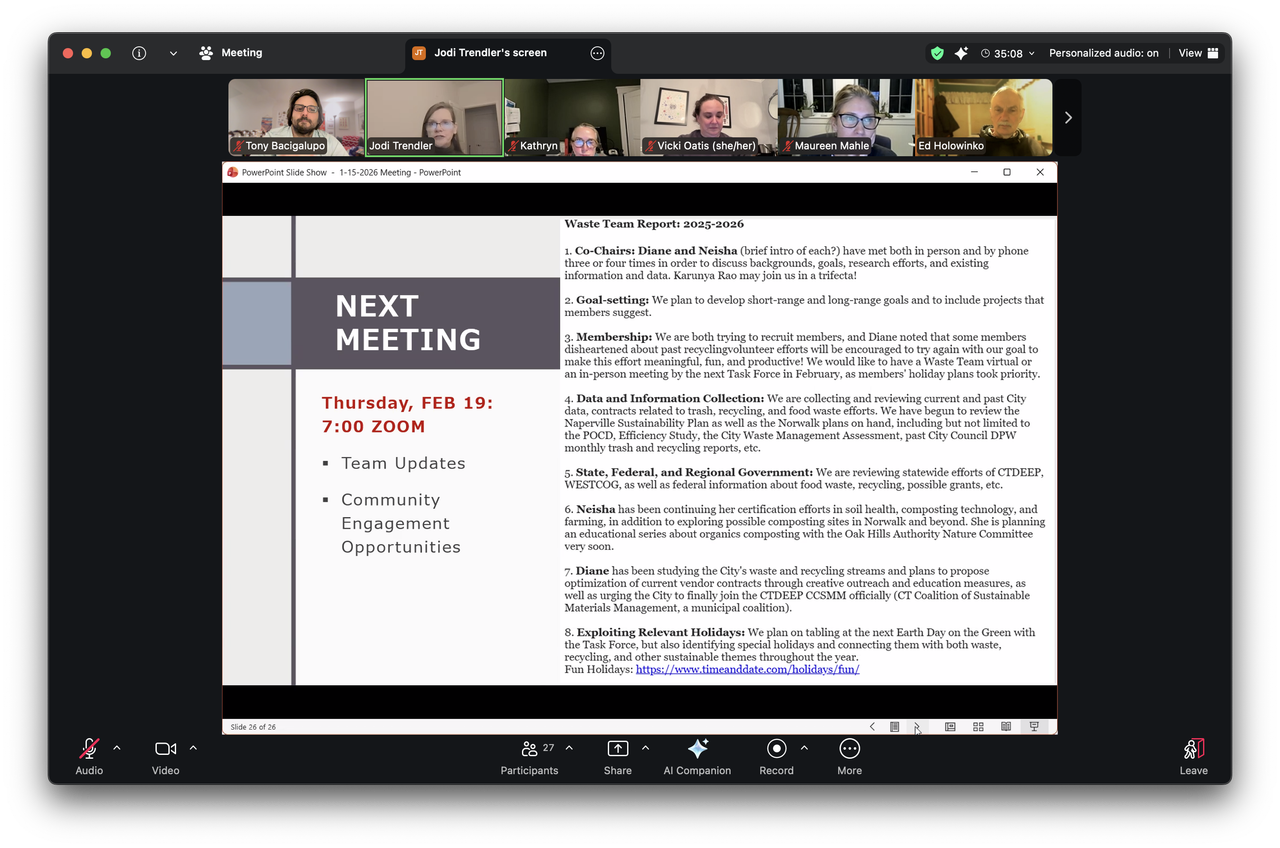
You can review our work here:
https://docs.google.com/document/d/1s5LFbrXRJRVn1H-PbYwUAm34LwKODgI5BTzkNF9lm00/view?usp=sharing
What we found
Norwalk has a lot of advantages in its existing community of people who love and care about this city, which is an asset we can leverage to address the challenges and improvements we're still looking to make.
A lot of our recommendations in our first pass involved spending money, and that is part of the point of the project: to give guidance on where investment should be directed. But I also have a personal inclination towards finding ways to do things that don't require waiting on someone else to give funding or approval.
So we created a section designed to leverage two of our greatest strengths:
- Engaged, involved, and excited people
- All of the great things already happening here that not enough people know about
We created recommendations that focus on:
- Raising awareness
- Building on the teams and infrastructure the task force had already started
- Setting ourselves up to continue to grow our impact and recruit more people to support the initiatives the different teams are working towards
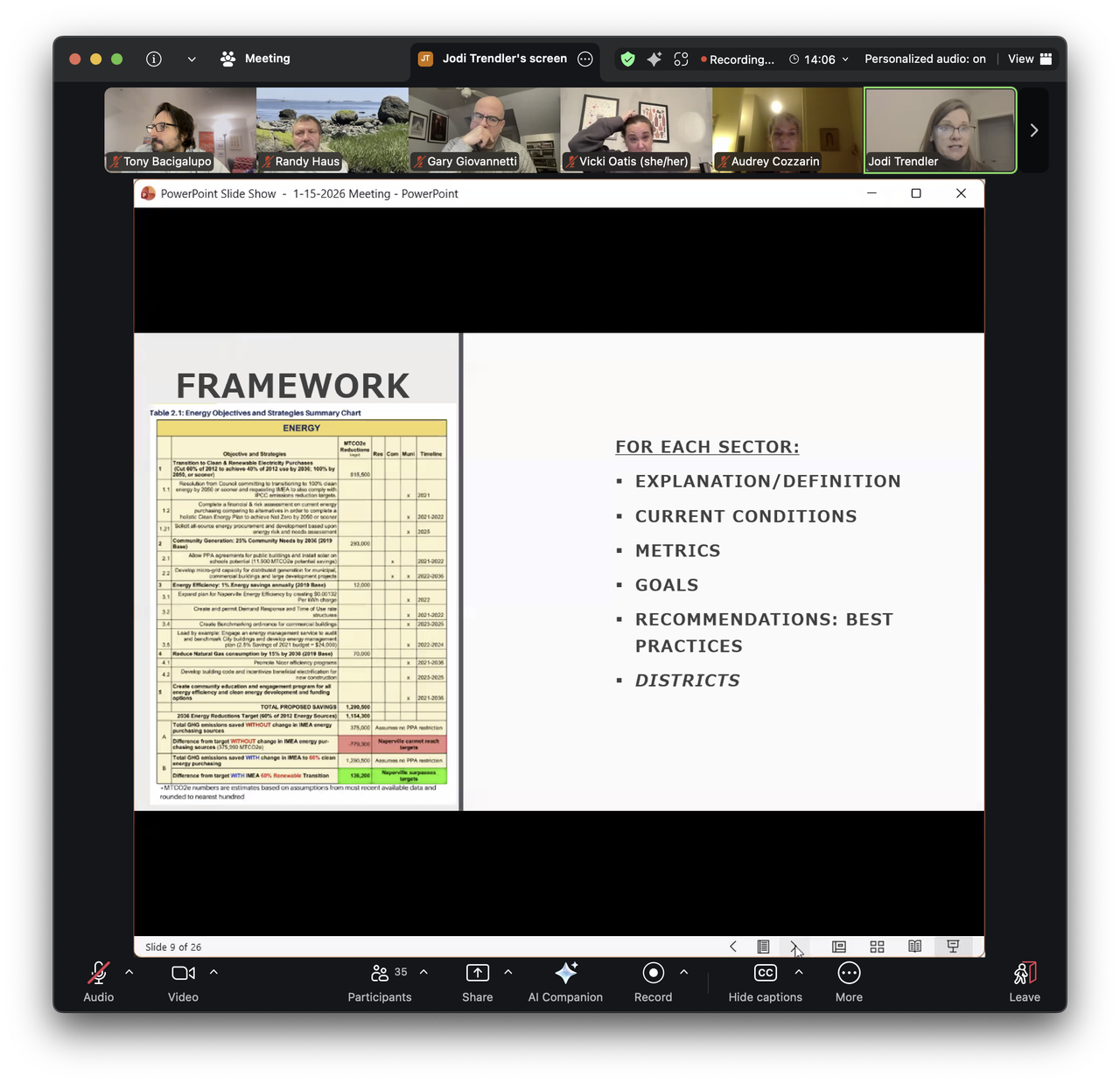
That involves some of the things I've talked about previously:
- A more complete and robust city directory
- A public series of civic discussions that invite leaders and residents to come together to discuss different topics
- Having the city actually declare social health a priority
As I see it, looking at health through the lens of social health offers fresh opportunities to deliver meaningful improvements without spending money.
To put it another way: helping people nurture their social connections can be easier and might even be more effective than hiring more clinicians or paying for more medical treatments.
I'm looking forward to presenting the final recommendations and, more importantly, executing on the top ones, which don't require us to wait for funding or permission.
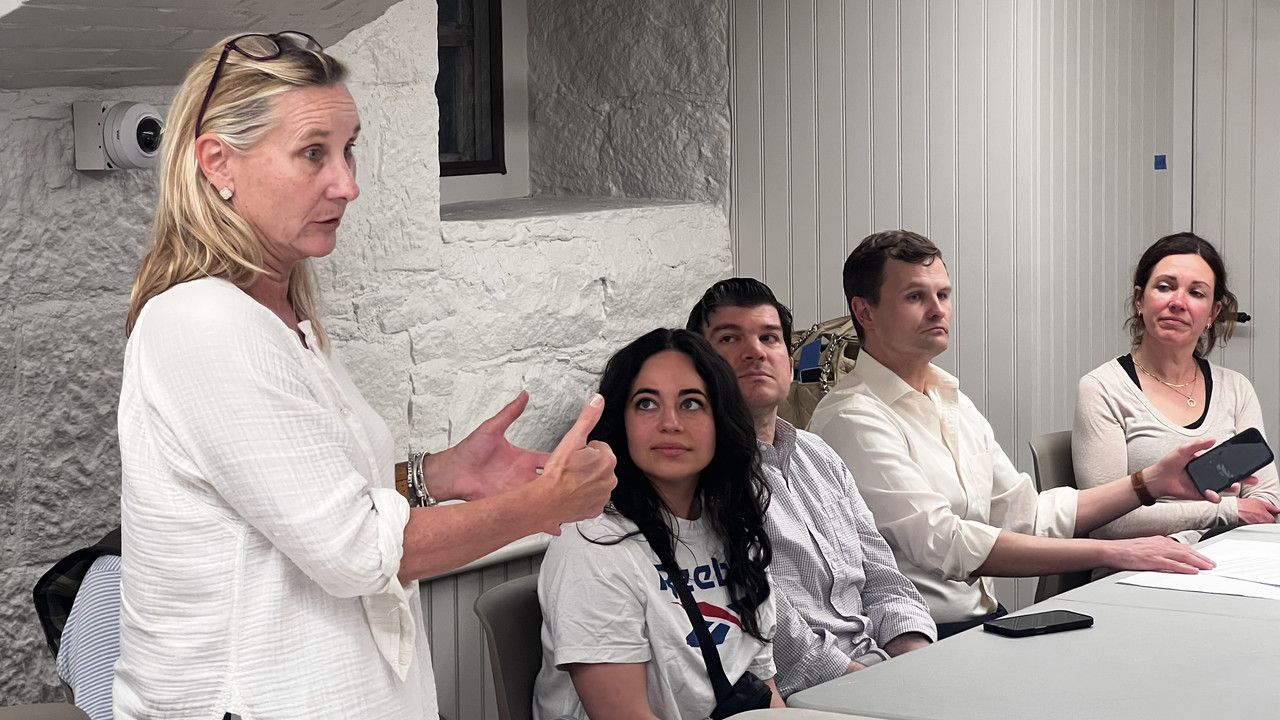
What I'm taking from it
We have momentum now, momentum I wouldn't have been able to muster trying to do it all on my own. I'm glad Jodi asked me to join her task force, I'm glad I said yes, and I think a lot of other people will be better off as a result.
I put myself out there, handing out flyers and volunteering on my own, but I also listened for the chance to join forces with others.
When you look for those opportunities, your capacity for delivering change can multiply accordingly.